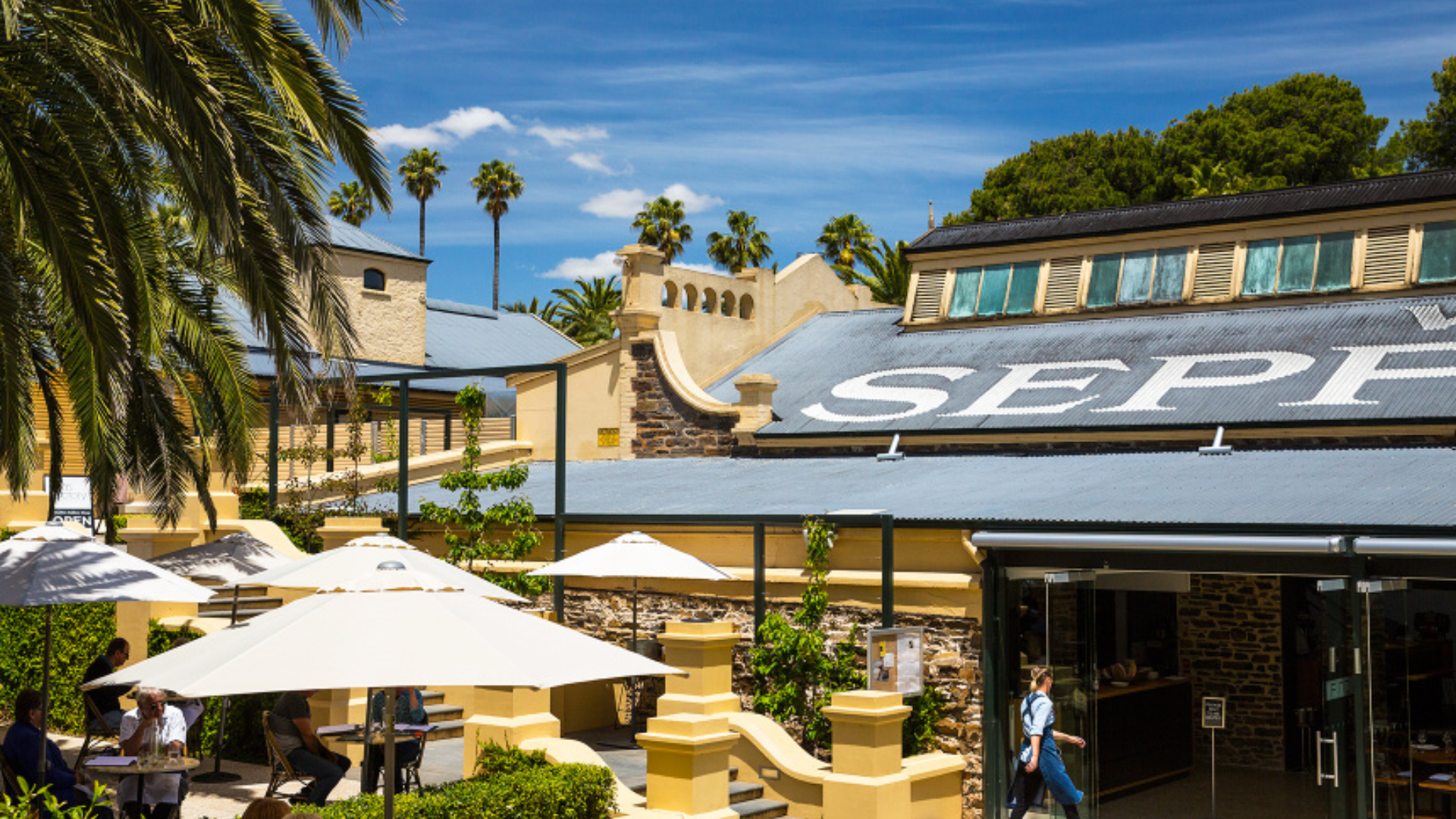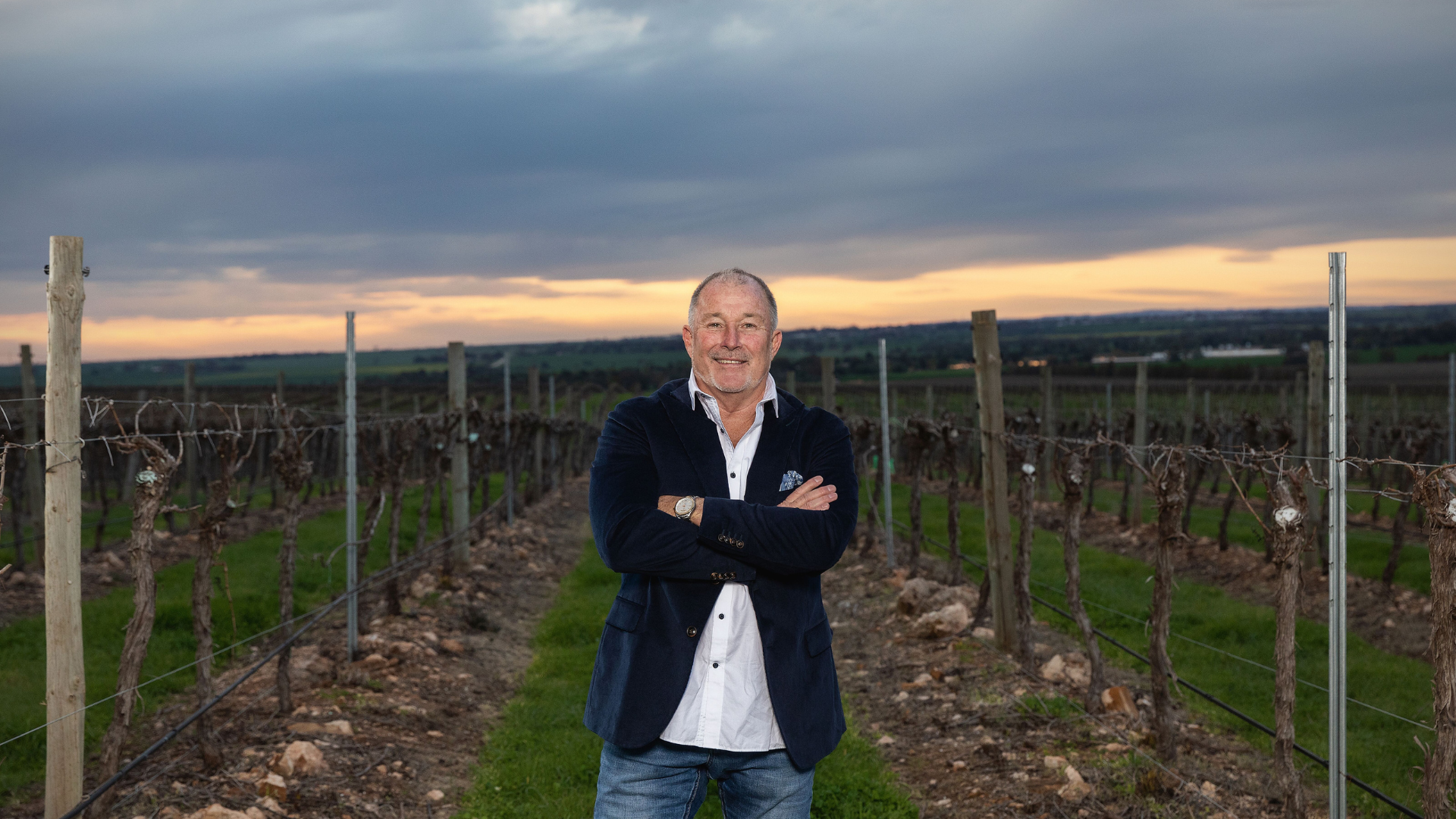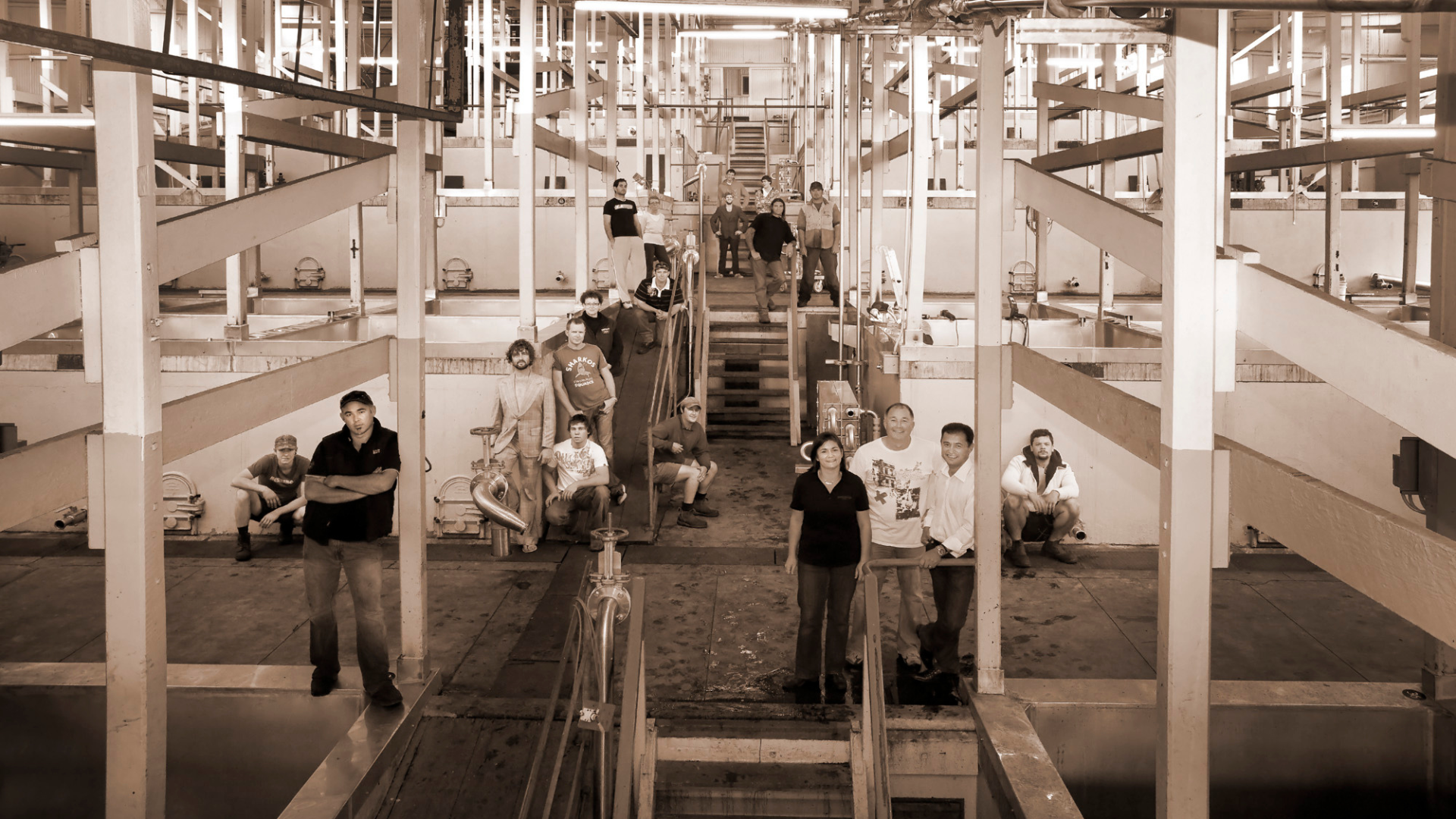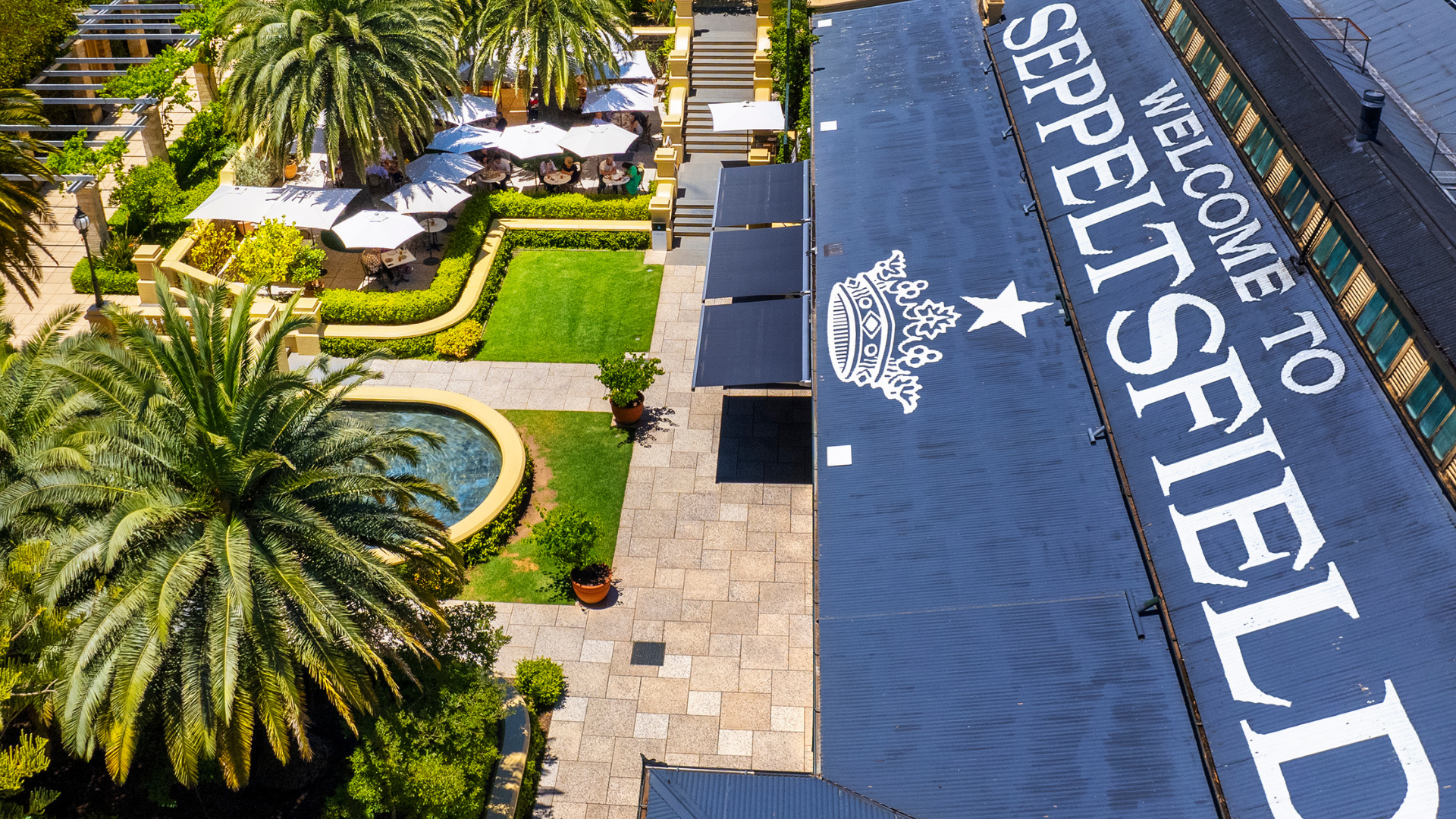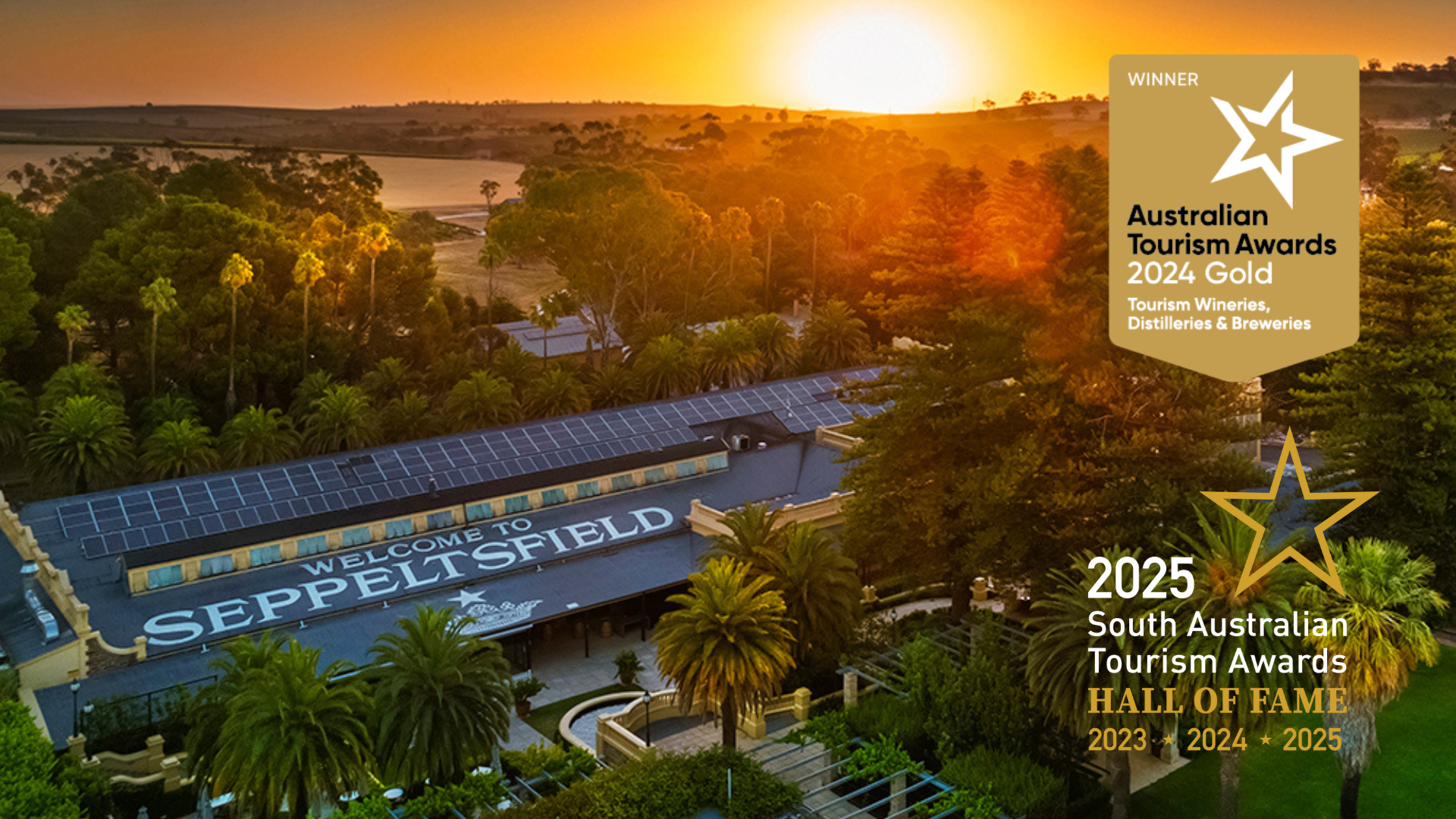
In honour of our 175th anniversary, this historical timeline brings together defining moments that have shaped both Seppeltsfield and the evolution of Australian winemaking. From our earliest days in the Barossa to the living legacy preserved across generations, these milestones tell the story of an Estate that has helped shape the nation’s wine history, and today stands proudly as Australia’s Best Tourism Winery.
1800's
1849
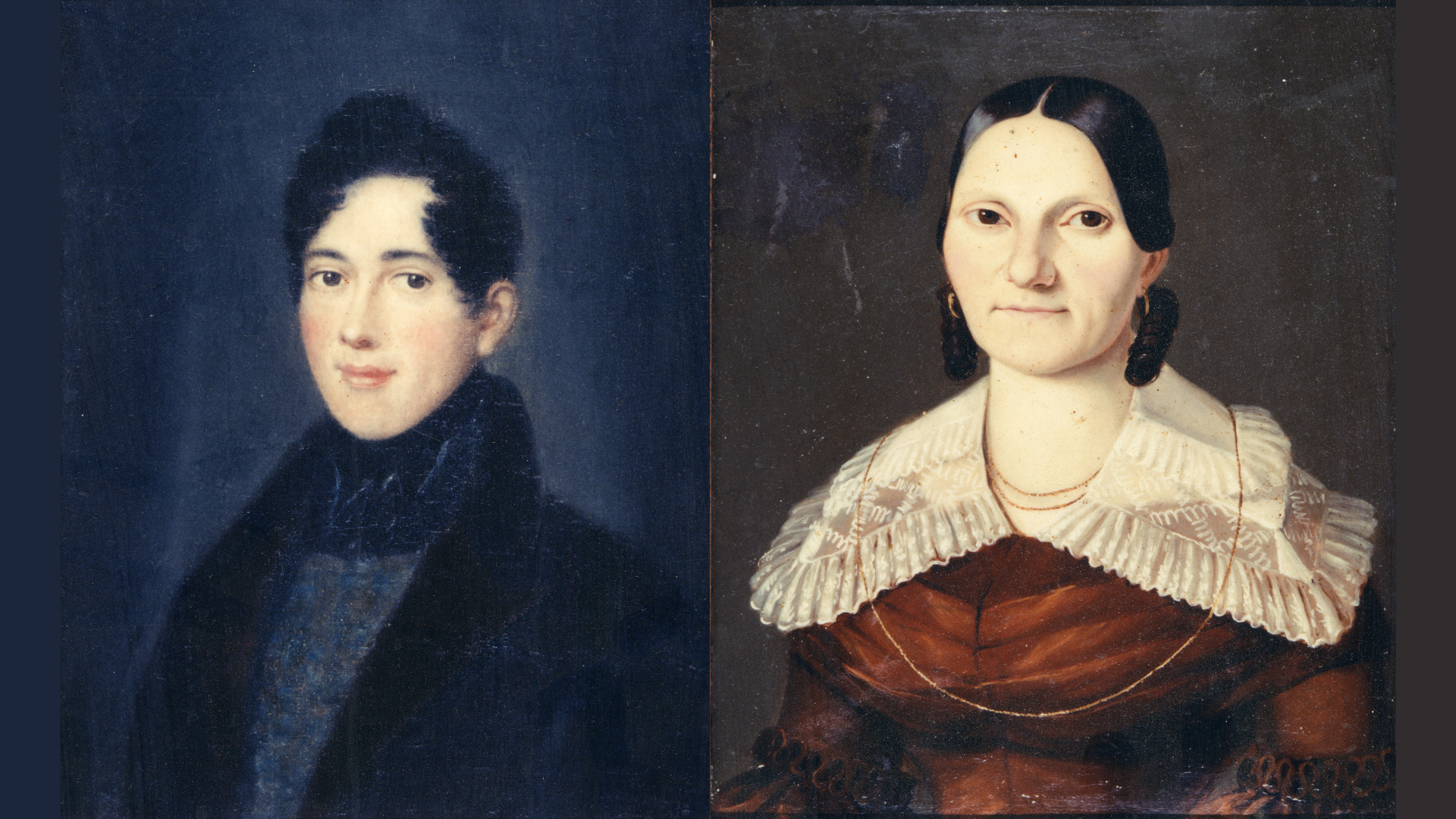
The Seppelt family – Joseph and Johanna and their 3 children left Hamburg in Germany on the ship ‘Emmy’ in September, for four month trip to cover 13,000 miles to Australia. They also paid the passage of 13 other families to travel to a new life.
Pioneer Horticulturist George McEwin wrote in 1849 that wine ‘would become a source of great wealth to the colony’ and that wine ‘rivalling the most famous growths of the old world will be produced in South Australia as soon as we gain the requisite knowledge and practical experience necessary to success’.
1850
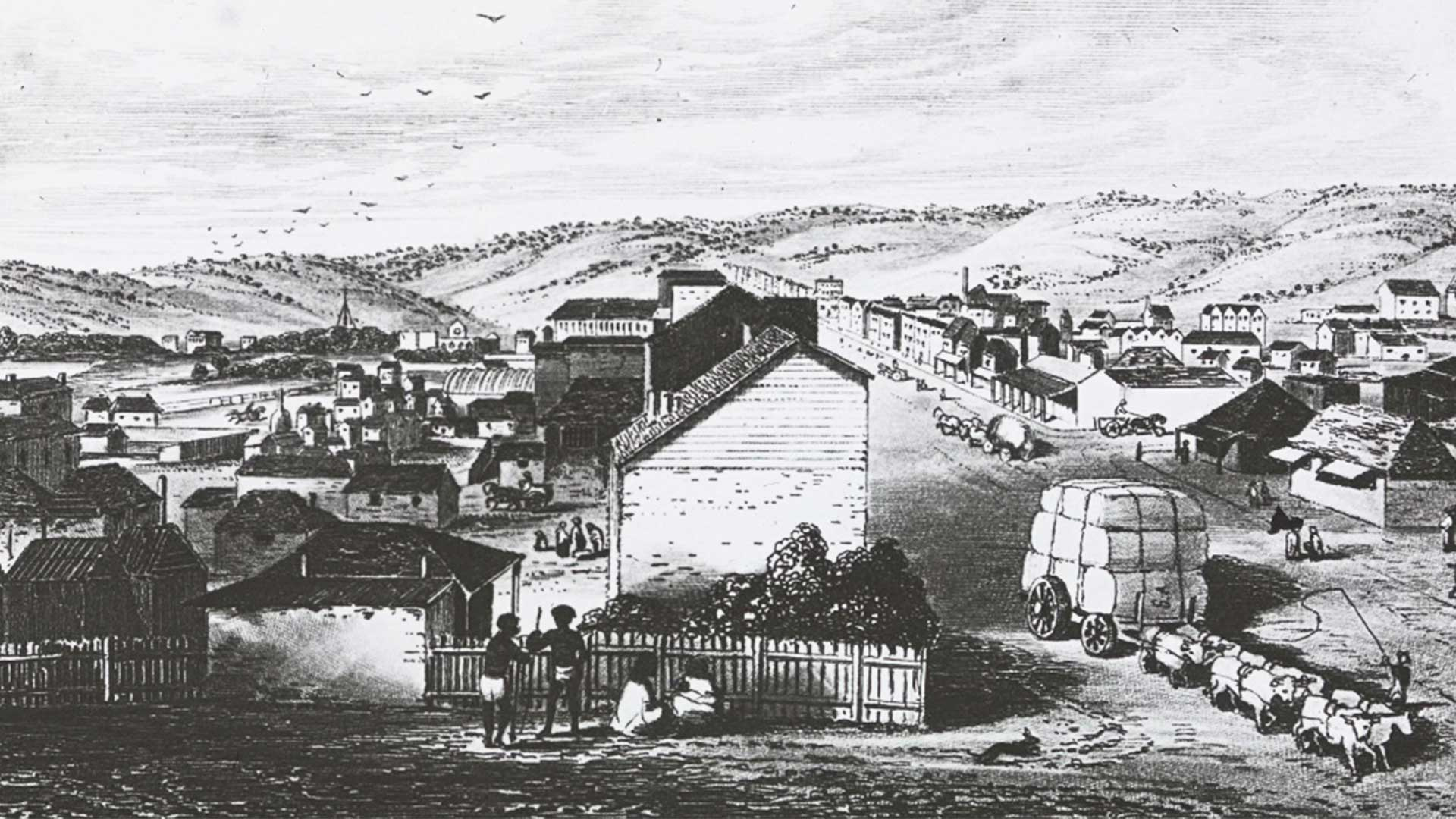
The Seppelt family arrived in Port Adelaide, 16th January.
Joseph Seppelt purchased 158 acres of vineyard at 1 pound per acre.
1851
Joseph and Johanna Seppelt founded Seppeltsfield just 15 years after the European settlement of South Australia. They were of German heritage, originally from Silesia, an area now within Poland and on the Czech border. As a young man, Joseph toured Germany, Austria and Italy after completing a merchant apprenticeship and subsequently managed a tobacco, snuff and liqueur production business. Significant unrest and political turmoil in their homeland, including a time when his father fought in Napoleon’s forces in Russia, led to the decision to seek a new life in Australia.
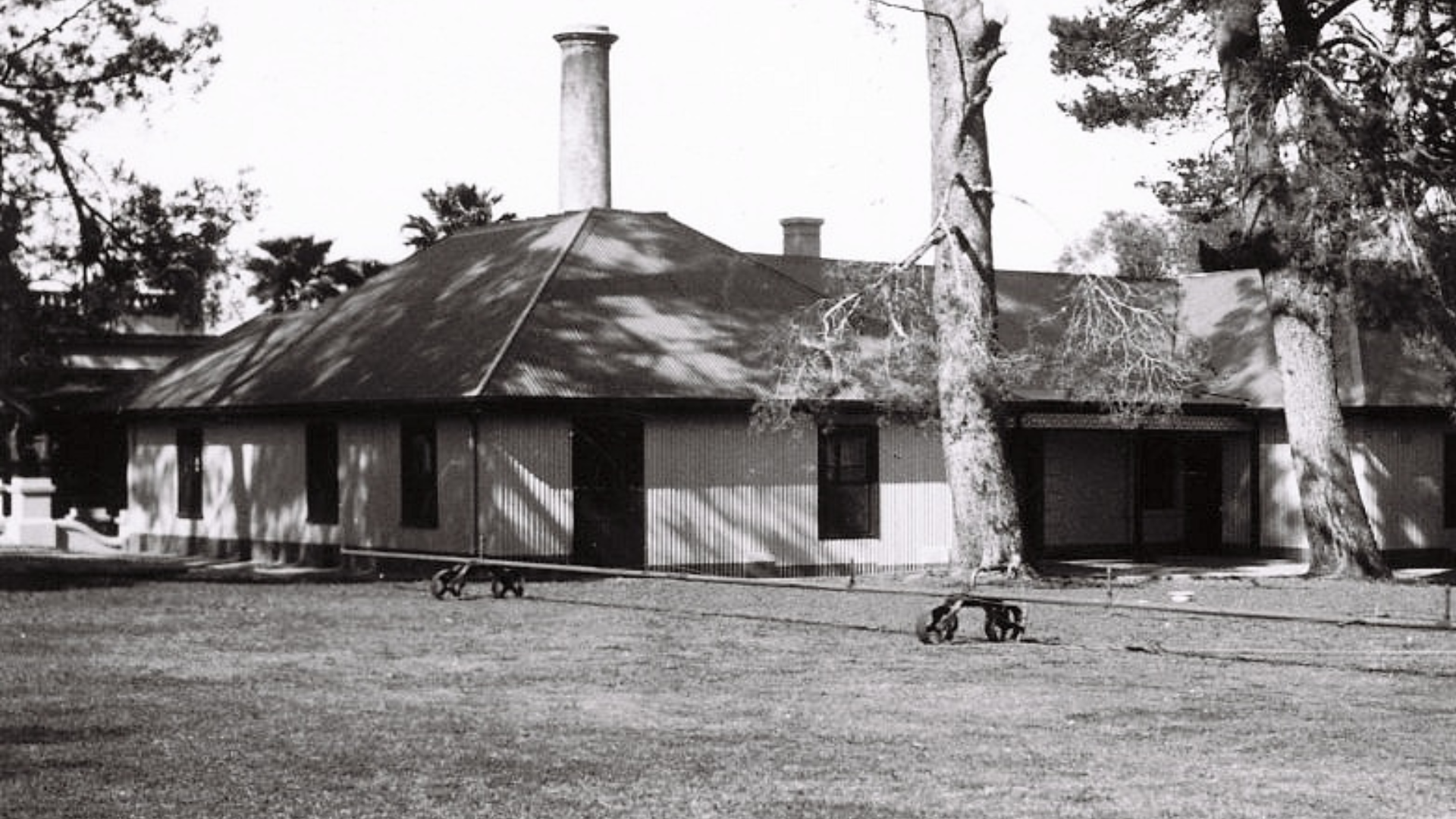
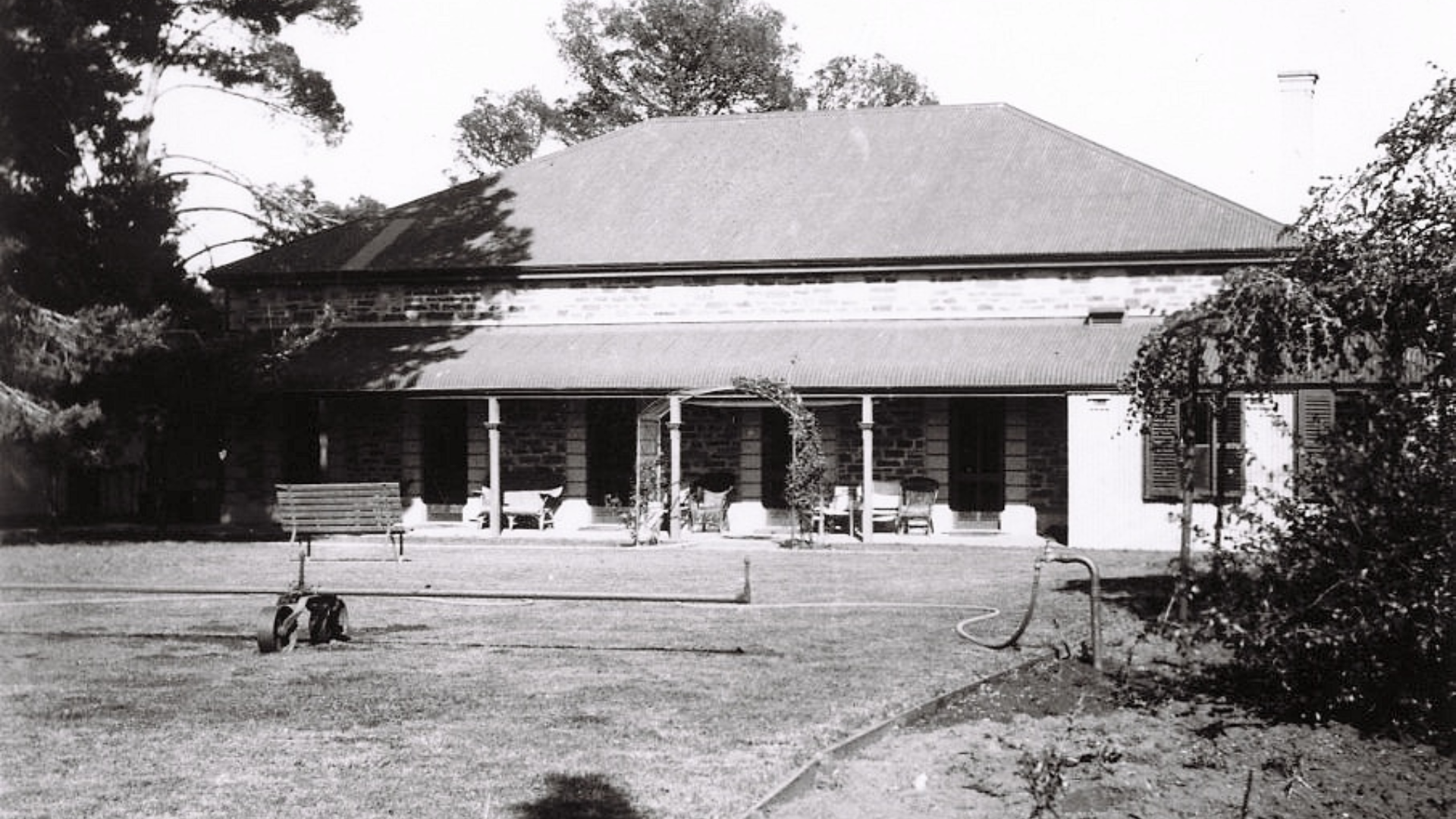
The family moved into the newly built Seppelt homestead in February, this was a 4 room home, built by Joseph Seppelt.
1855
Estate icon vineyard was planted - Great Terraced Vineyard. 100% bush vine Grenache, to fulfil fortified wine production. Spanning 60 hectares on the Estate hillside.
1856
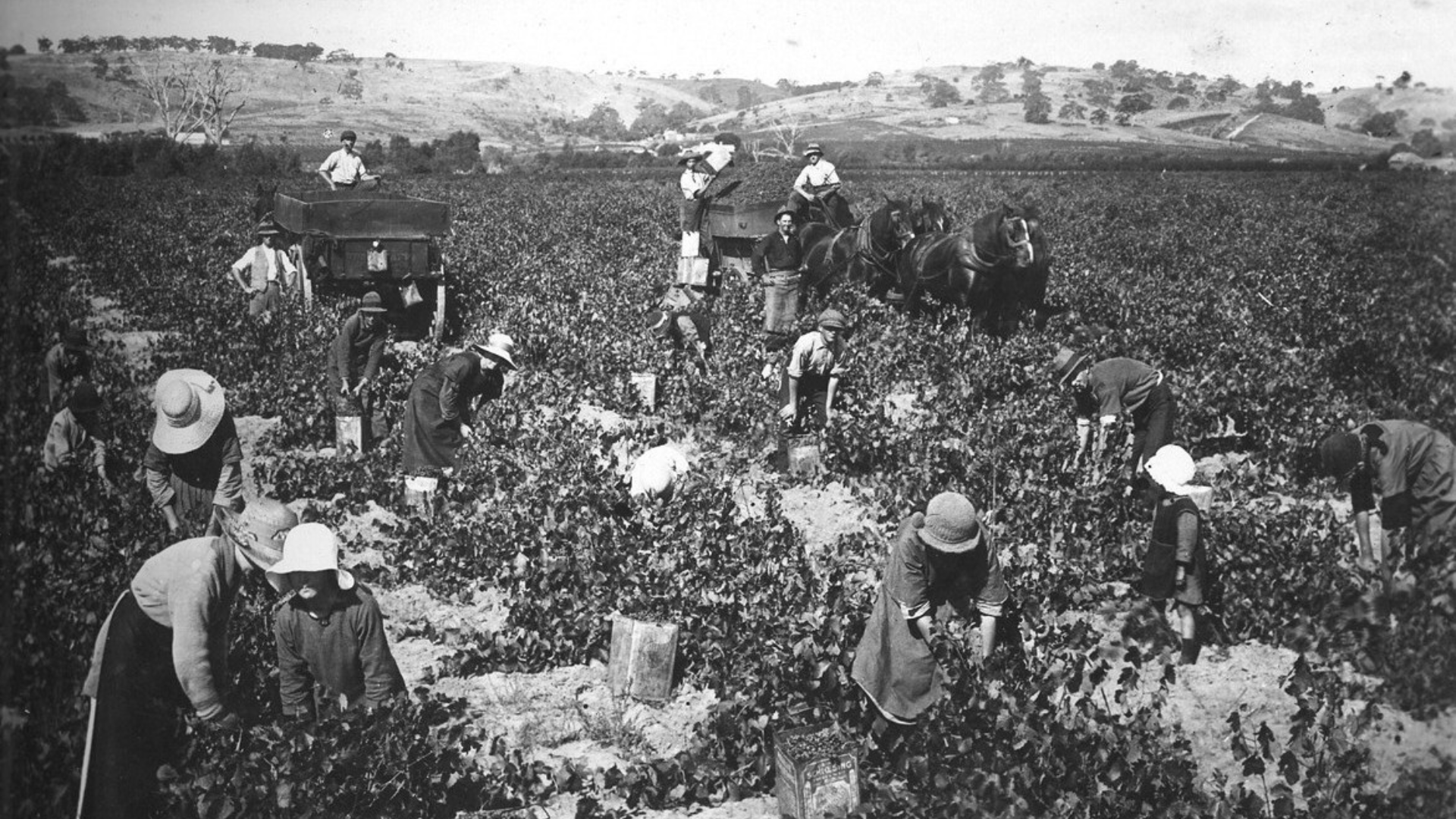
First official vintage at Seppeltsfield, grapes harvested and wine produced, in the old dairy, located on the western side of the Estate.
1868
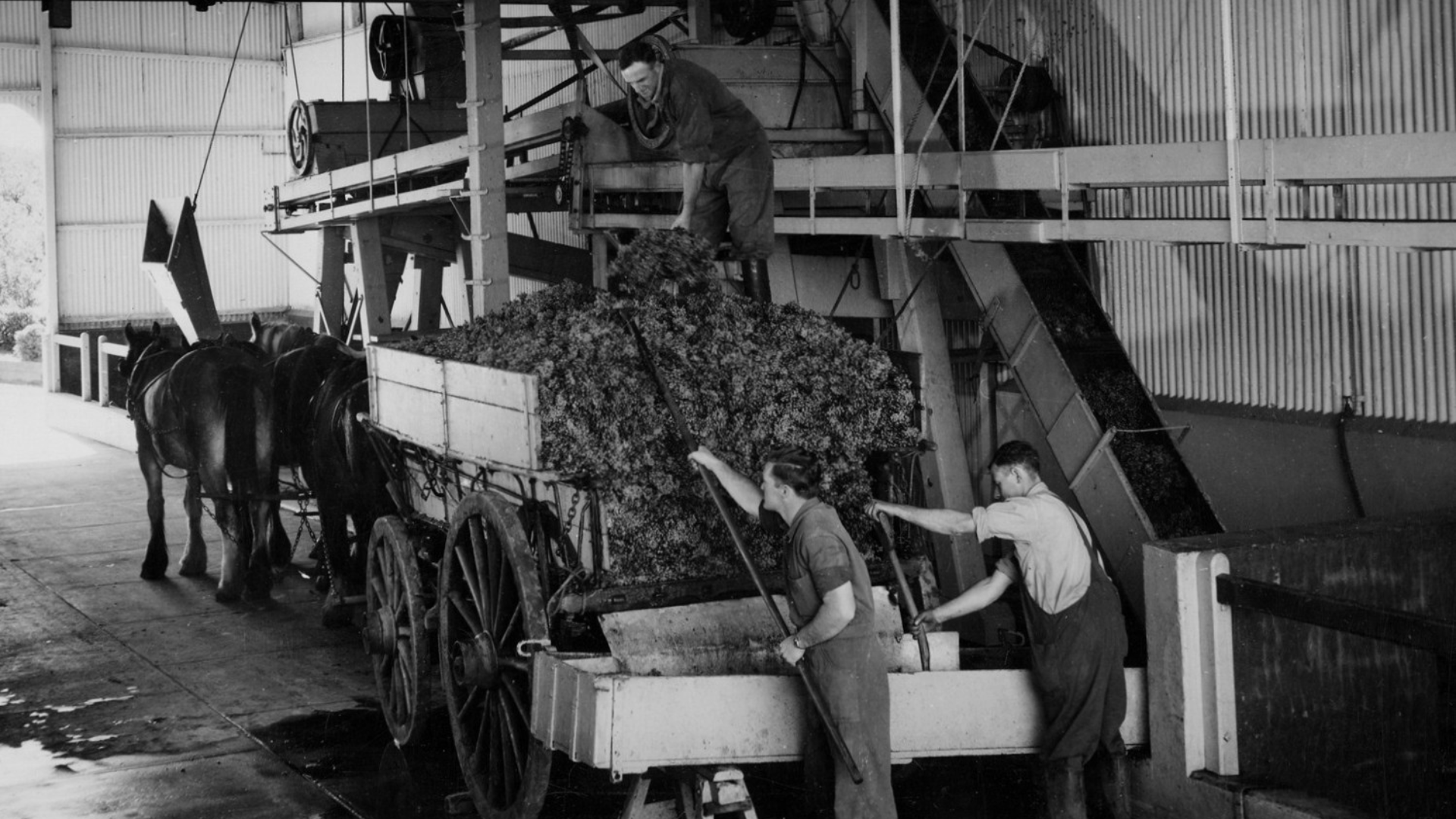
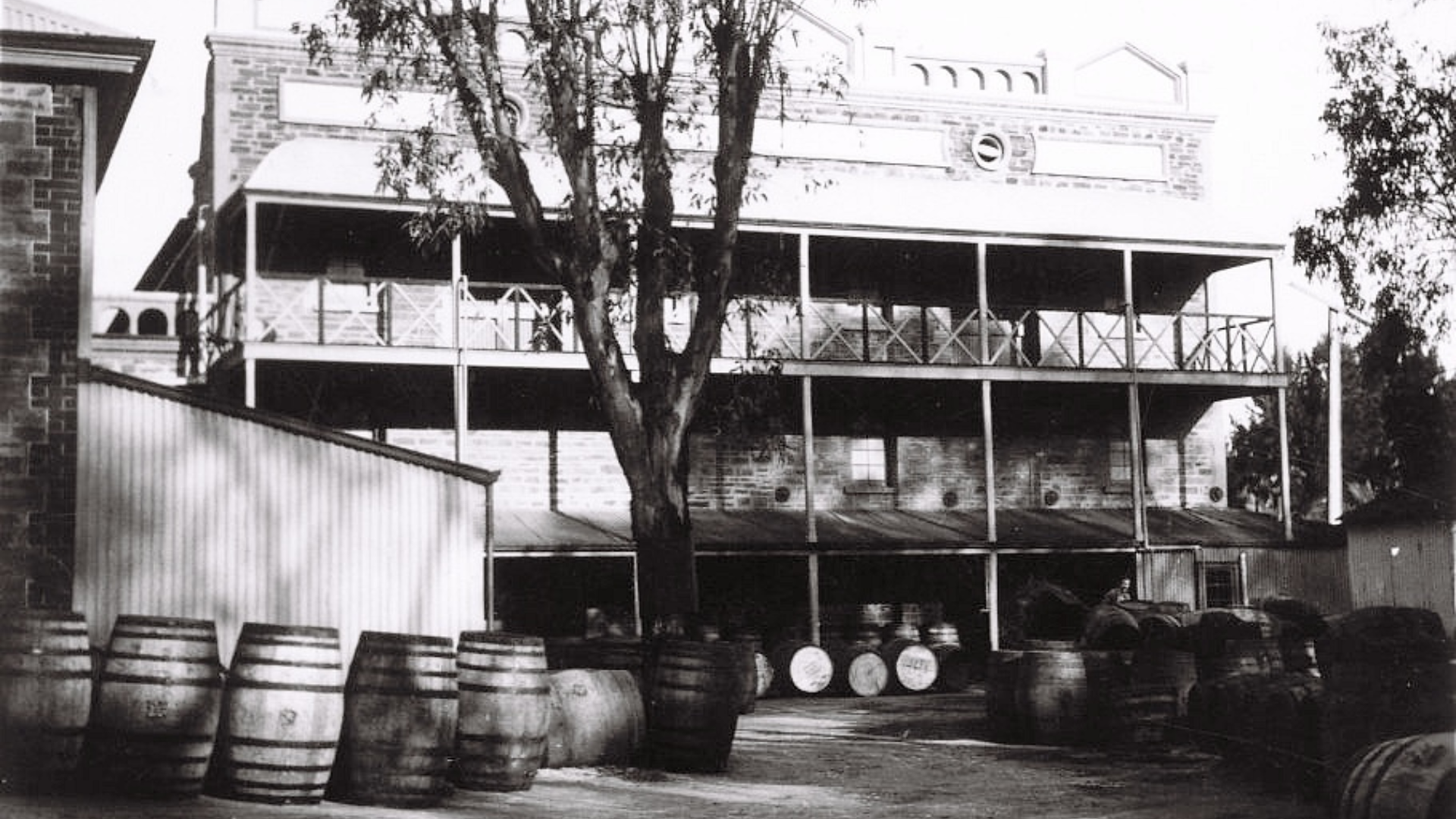
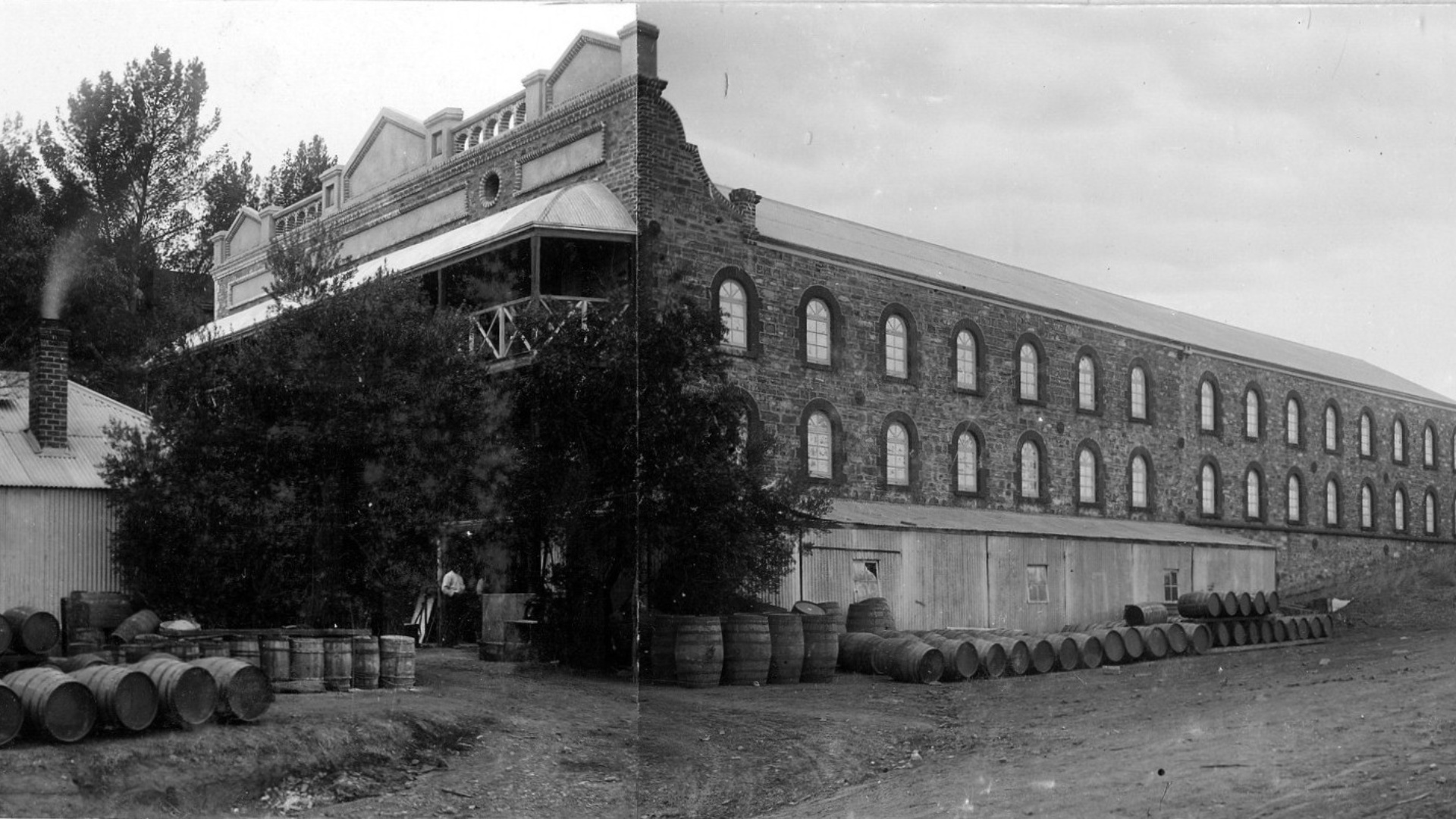
Winemaking onsite soon outgrew the original cellar down the hillside, and Joseph became one of the State’s largest winemakers. An ‘ambitious building plan’ followed, outlining a full-scale winery, bottling hall and distillery, allowing the entire process from vineyard to bottle to occur onsite.
Work began on the grand three-storey building overlooking the horseshoe driveway, the first purpose-built winery on the Estate, commenced by Joseph.
The Seppelt wine business expanded rapidly, supplying England’s demand for wines and spirits of ‘imperial preference’ and providing medicinal Brandy to Australian hospitals. They also built strong local markets in Gawler and Adelaide, where their wines were highly sought after for their quality.
1870
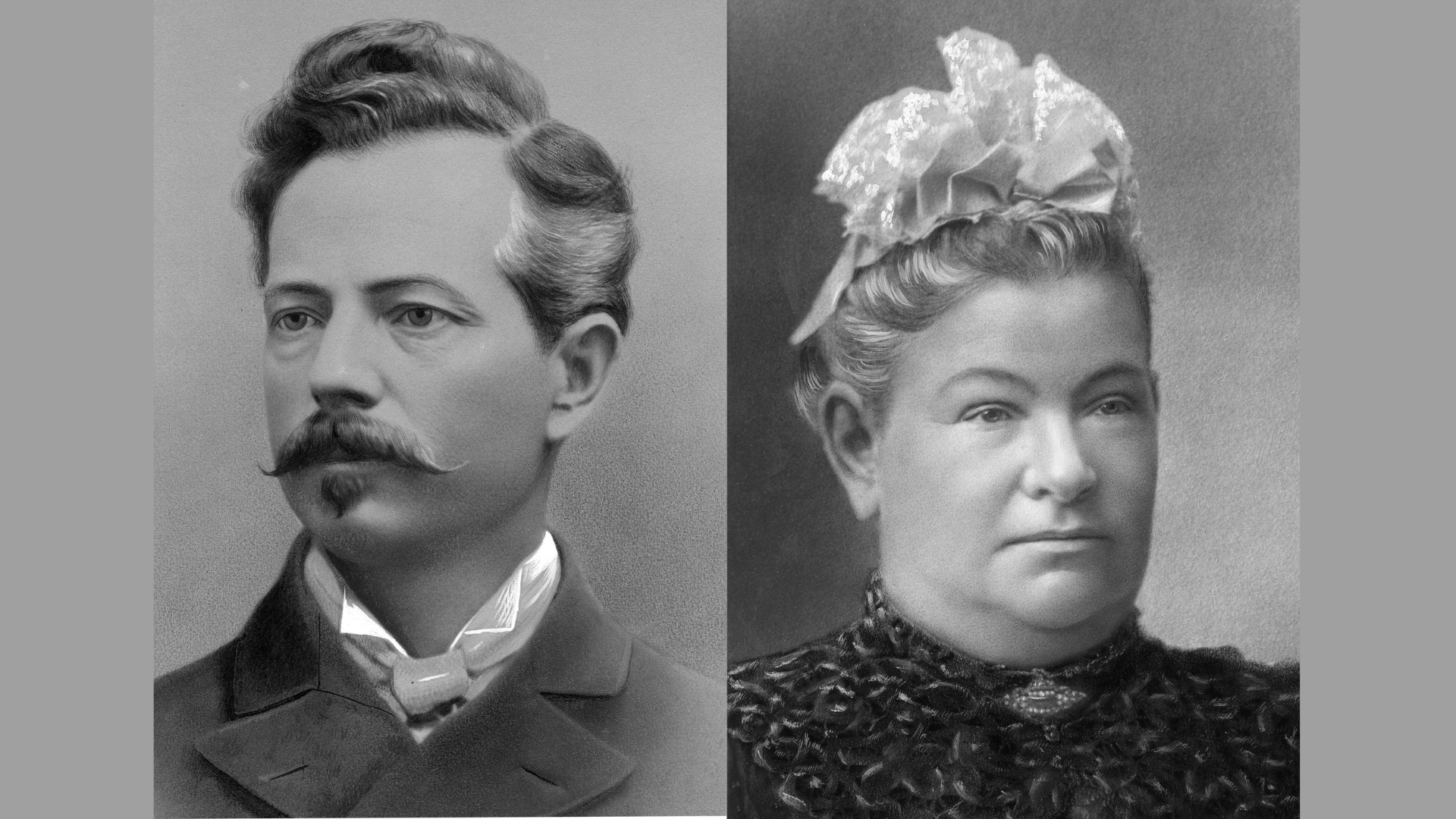
Oscar Benno Pedro Seppelt (Benno) married Sophie Schroeder, who grew up locally in Tanunda where her parents ran a general store.
1873
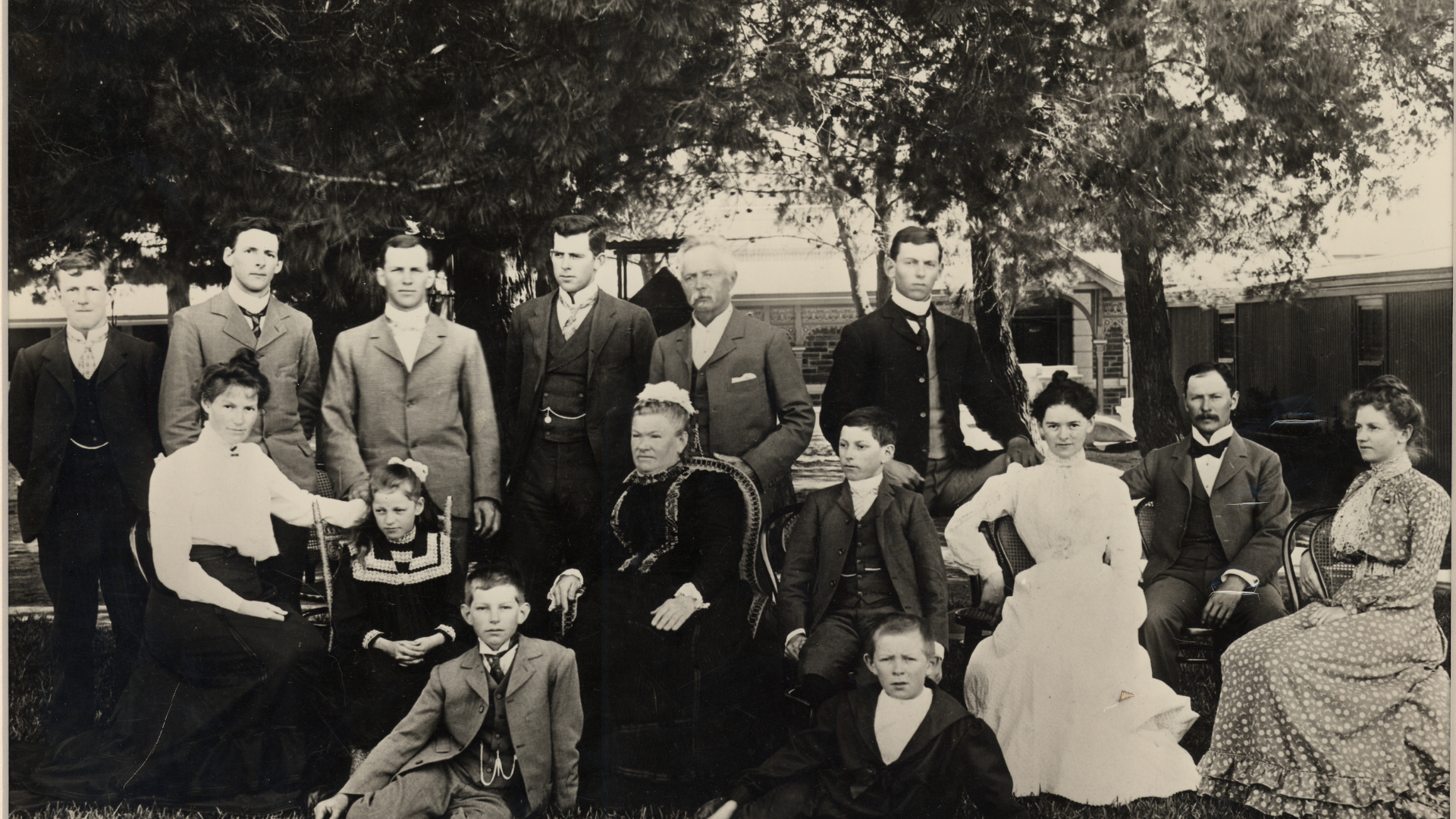
Benno and Sophie went onto have 13 children over the next 18 years – 9 boys and 4 girls.
1875
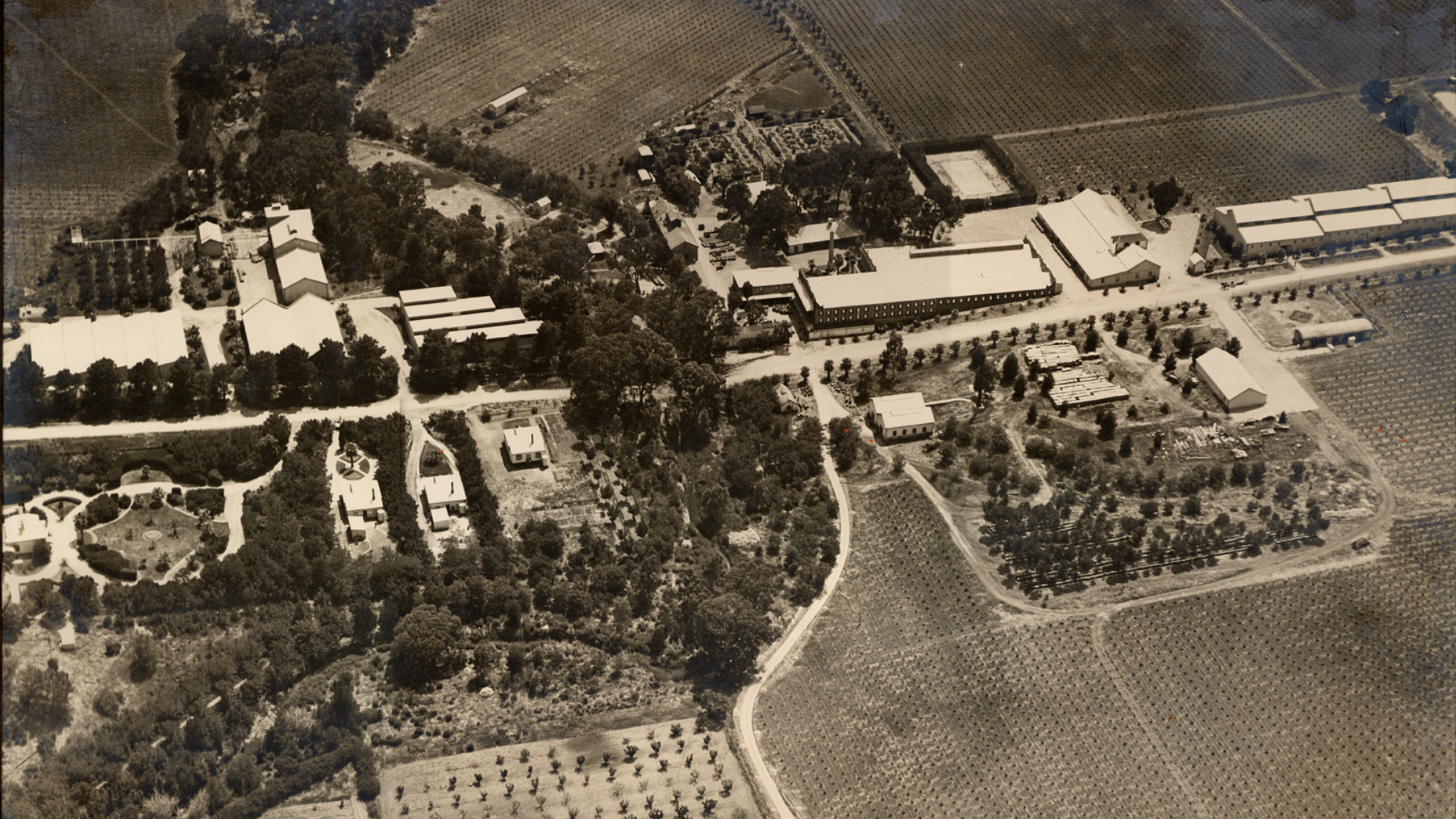
The Estate vineyard holdings had grown to 560 acres (227 hectares).
Oscar participated in the 1875 Adelaide Wine Show with several entries of bottled ‘spirits’ and ten entries in the ‘bitters’ section. Bitters were based on alcohol with bitter plant extracts, used to promote appetite and digestion. Benno was well-awarded for his cordial entries, taking a total of six pounds home in prize money. His Raspberry Vinegar Cordial took first place, and that product is still made at the Seppeltsfield Estate today, available to purchase from our cellar door.
1877
The Distillery was built by Benno to produce various spirits, including brandy, rum and gin, bitters and liqueurs. He had a flair for invention and his wine-testing laboratory was considered unique in his day. The new distillery was opened on November 16, 1877, by Hon. J.P. Boucaut, M.P., Q.C., Treasurer of South Australia.
1878
The Centennial Cellar was completed in 1878 by Oscar ‘Benno’ Seppelt. In a gesture both unique and inspirational, Benno selected a puncheon of his finest wine and gave instructions that it was not to be bottled for 100 Years. Seppeltsfield has long been internationally renowned for its treasure trove of fortifieds highlighted by the Centennial Collection – the world’s only unbroken lineage of single vintage wines dating back to 1878. The Centennial Cellar is a living museum of Australian winemaking history and undoubtedly is the ‘jewel in the crown’ of the Seppeltsfield Estate.
1880
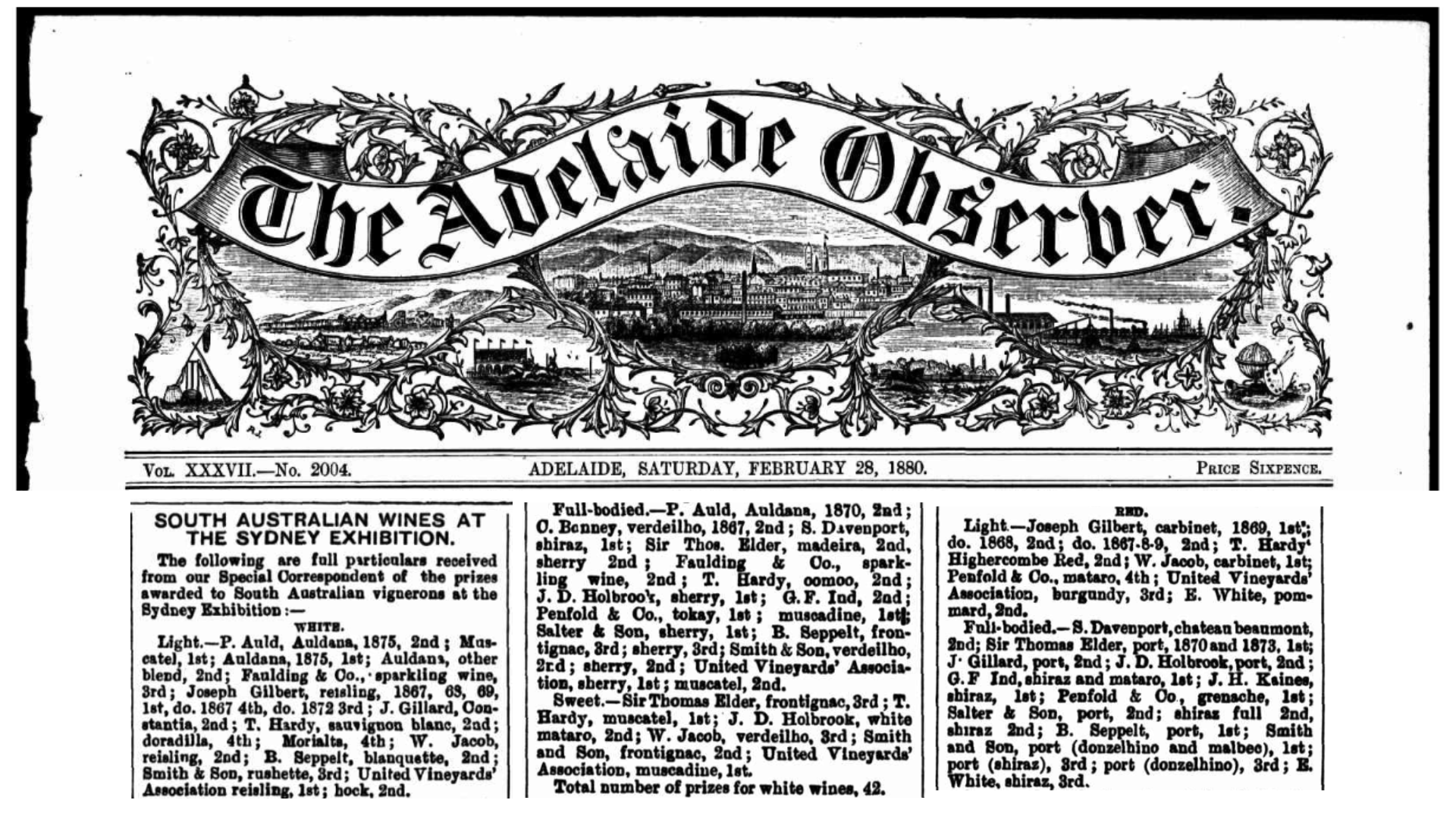
South Australian vintage report places Seppeltsfield at the top in the order of wineries in the state.
It is recorded that Seppeltsfield entered the Colonial and Imperial exhibition in Sydney in 1880, where Seppeltsfield won four prizes for its white wines and awards for Blanquette, Frontignac and Port.
1882
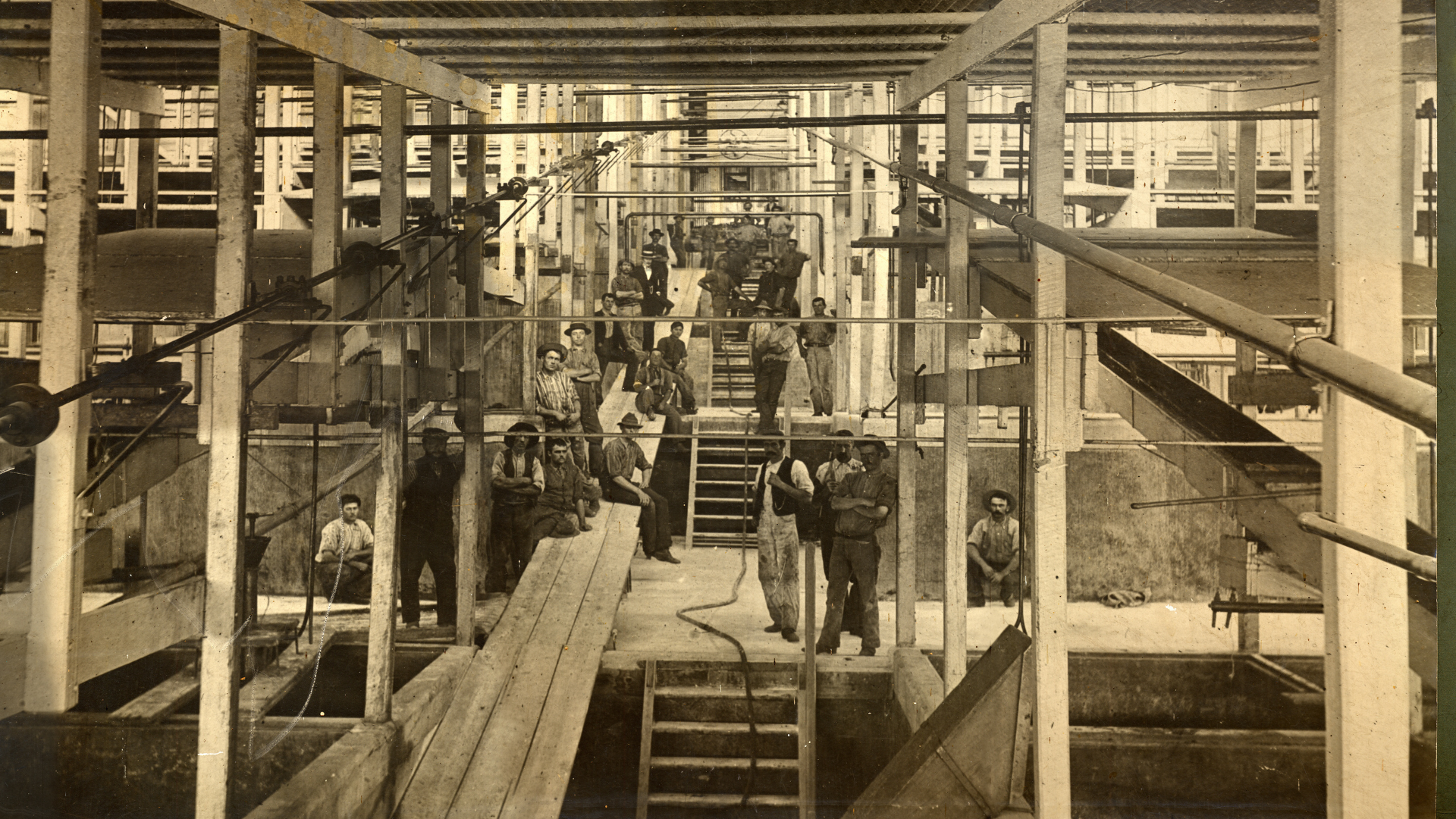
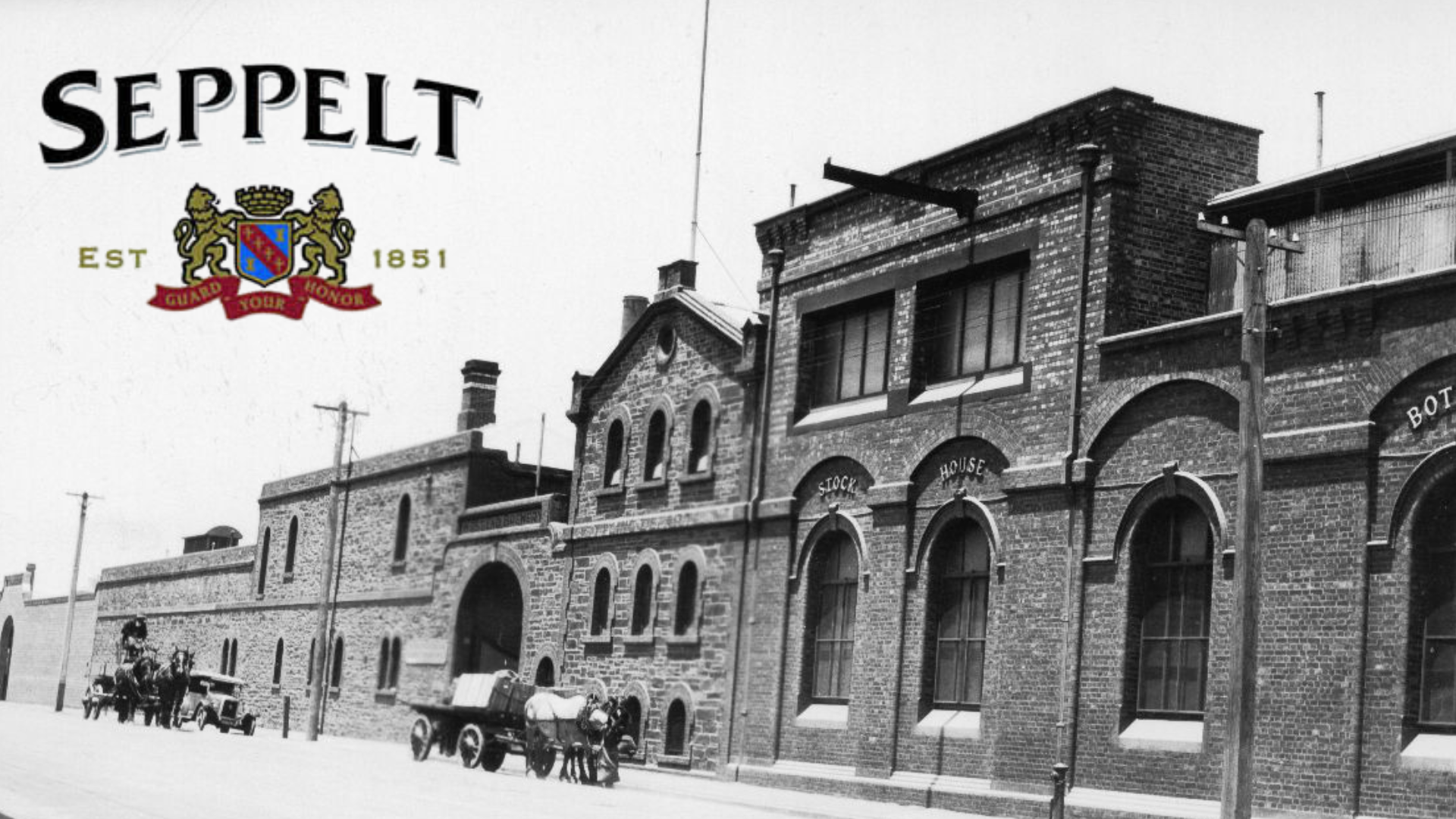
The original Vinegar Factory opened in 1882, as Benno was looking to diversify into the manufacturing of cordials, vinegar and other liqueur products after the success of his wine production.
The Vinegar factory operated 24 hours a day, 7 days a week from 1882, all the way through until 2000, spanning over 118 years. After just 3 years of the Vinegar Factory being opened, it was described as being ‘Stronger than the English vinegars by one or two percent, pure and have been well fermented’.
1883
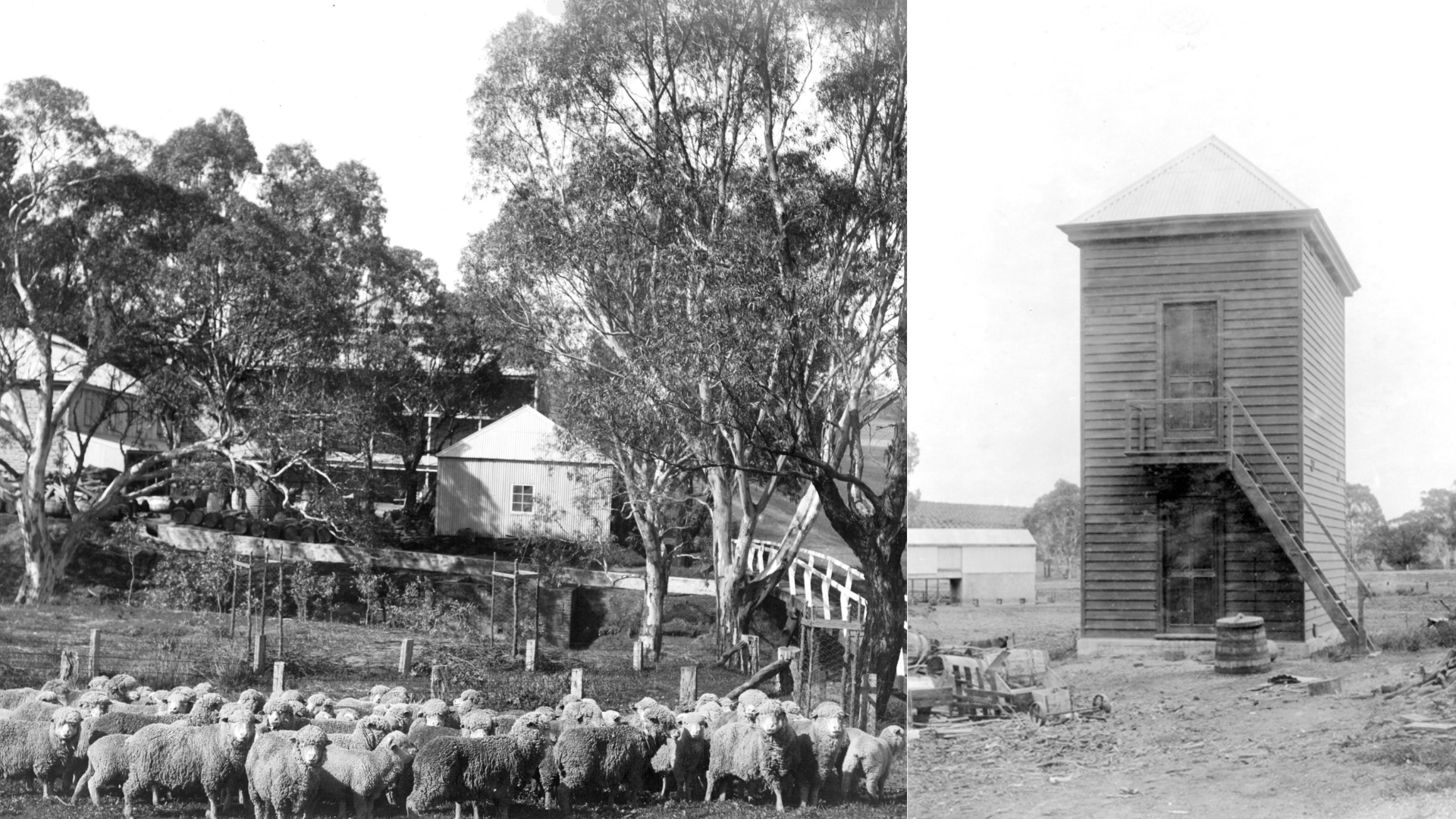
Oscar Benno bred sheep which grazed in the vineyards in the Autumn and won a silver cup for a champion merino ram. The Seppeltsfield Estate was reputed to have been the first business in Australia to export smoked bacon across to the United Kingdom, a very significant achievement in international business at the time. The Seppeltsfield Estate had its own large bacon curing shed built as pork and mutton was required to feed the family and workforce.
1888
The historic Gravity Cellar was completed in the visionary design of Oscar ‘Benno’ Seppelt, built into the hillside on a series of terraces, allowing the natural course of gravity to assist the flow of fruit down through the winery.
1890
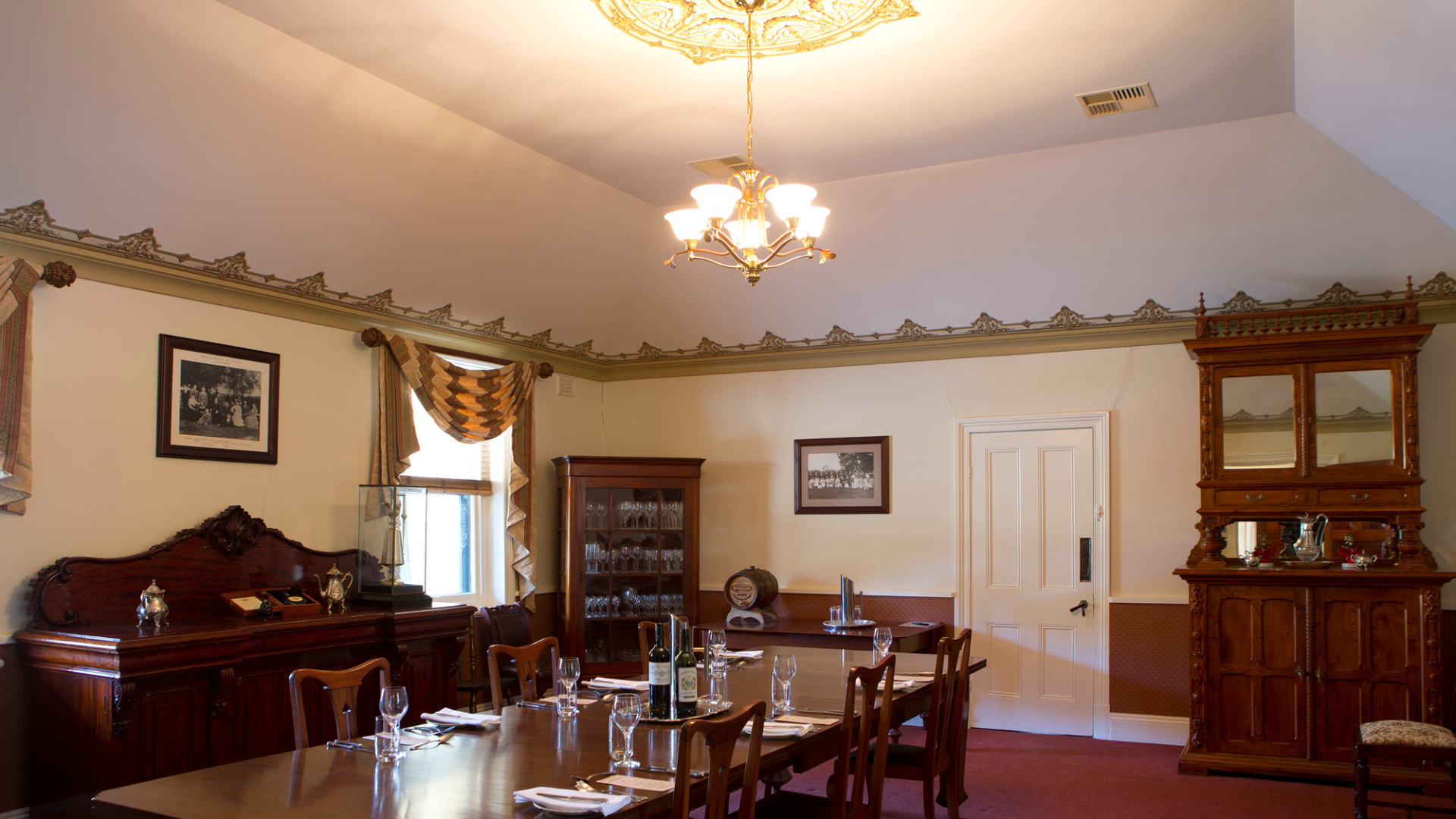
Dining Hall was built, purposely built to feed the hundreds of workers at Seppeltsfield during the 19th century. The Seppelt family provided accommodation and meals for numerous employees particularly when the workforce would be over 100 people during the vintage (the annual grape harvest season).
1900's
1900
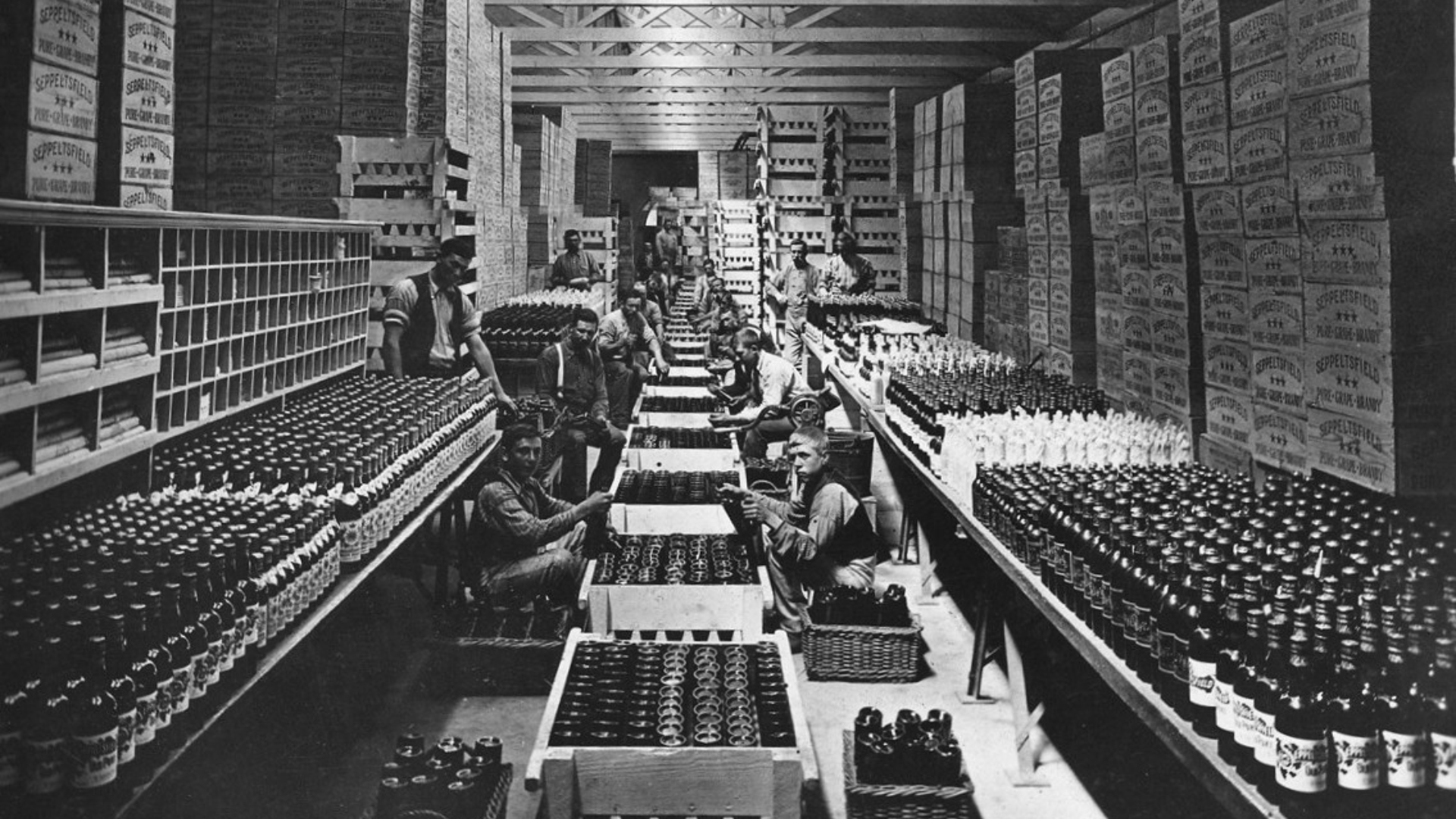
1900 marked the completion of the Bottling Hall, a pivotal moment in Seppeltsfield’s growth. By this time, the estate had become renowned as the ‘Largest winery in the world’, supported by strong red wine exports to the UK.
The estate had expanded significantly, encompassing the 1888 Gravity Cellar, underground cellars, a cooperage, vinegar factory, bonded storage, and a working farm. Under Oscar Benno’s leadership, Seppeltsfield was producing a wide range of wines and award-winning spirits, bitters, and liqueurs.
The Distillery - described as producing wines, spirits, and cordials for Adelaide and the intercolonial markets - operated for nearly a century, contributing the fortified spirits that helped define Seppeltsfield’s reputation.
1901
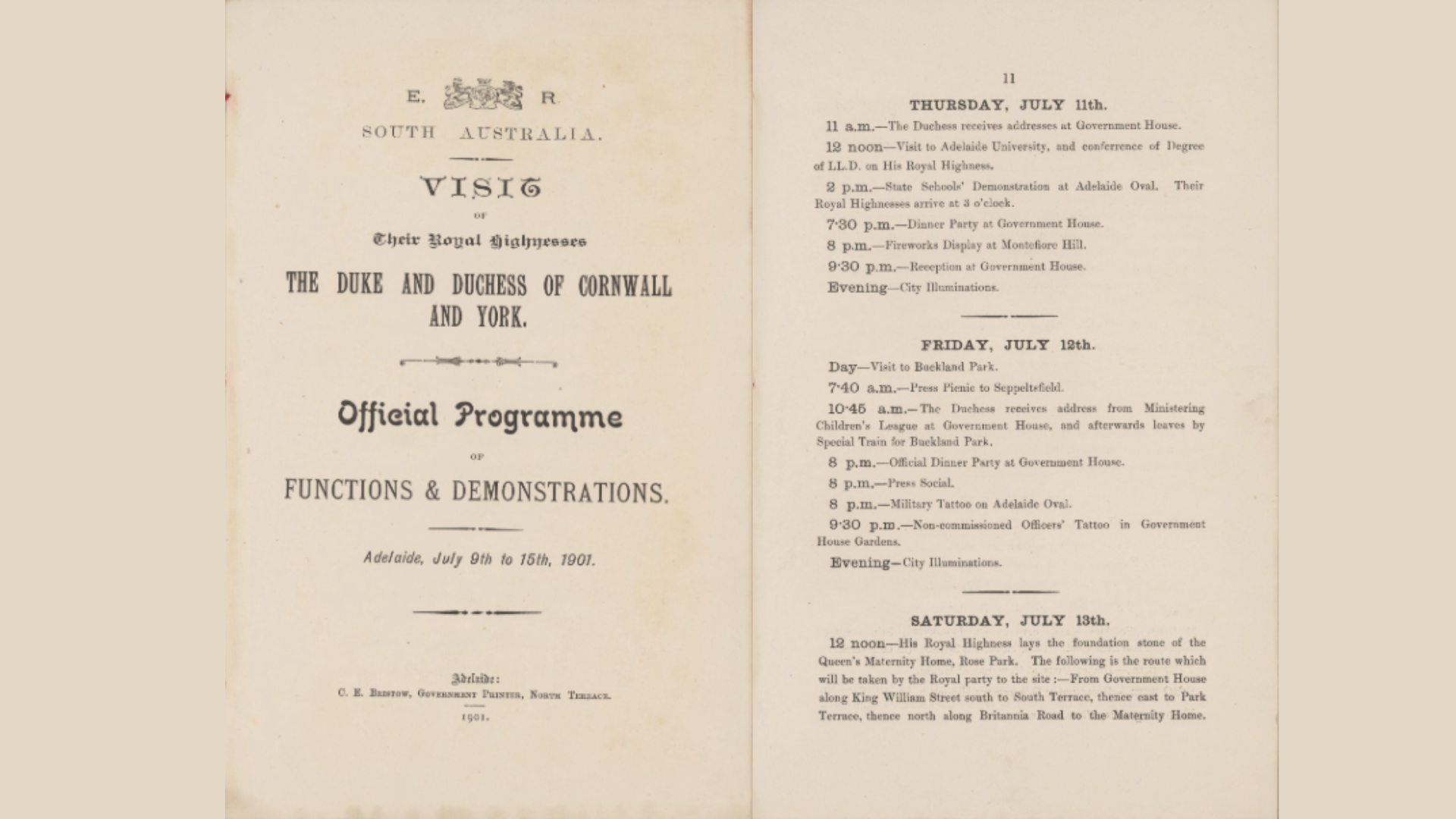
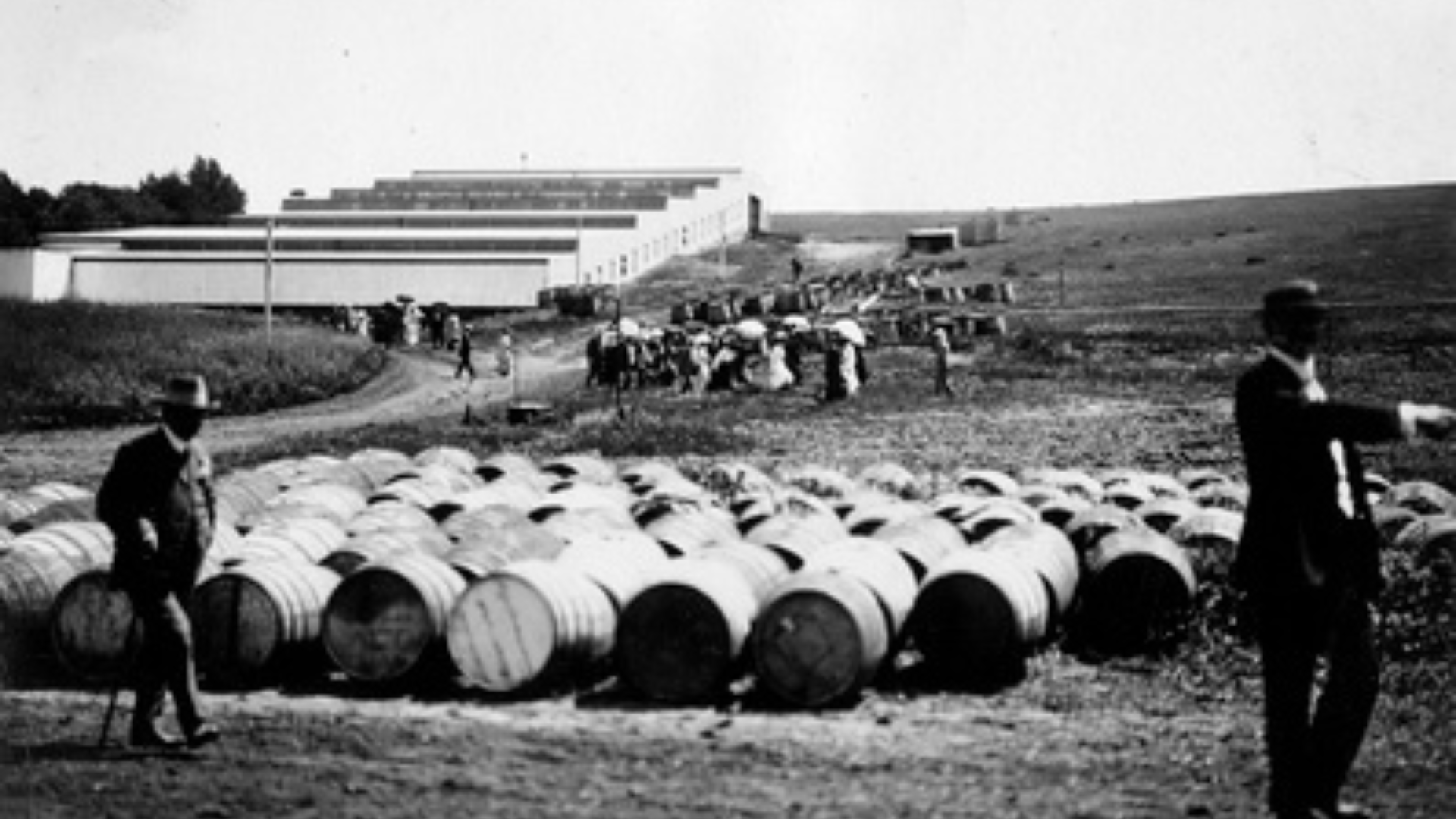
Duke and Duchess of Cornwall visited the Estate.
1902
The business became registered as a company under the title ‘B Seppelt and Sons’, led by Benno, but shares were distributed between members of the family.
1917
Seppeltsfield winery production was 5 million gallons.
1925
Sophie Seppelt passed away at the age of 72.
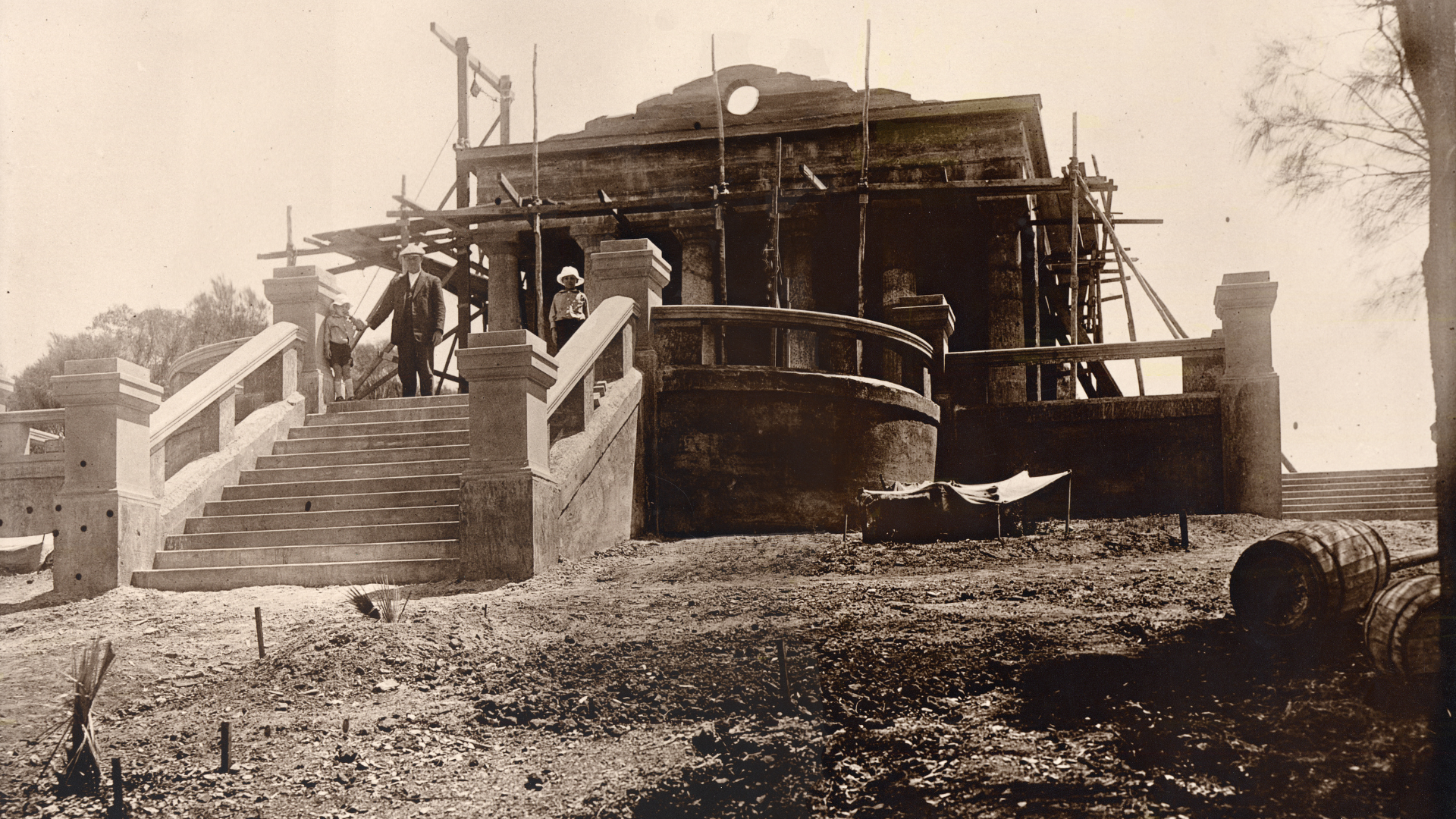
The family were given permission in 1925 to build a family mausoleum on the highest point of the Seppeltsfield Estate.
1927
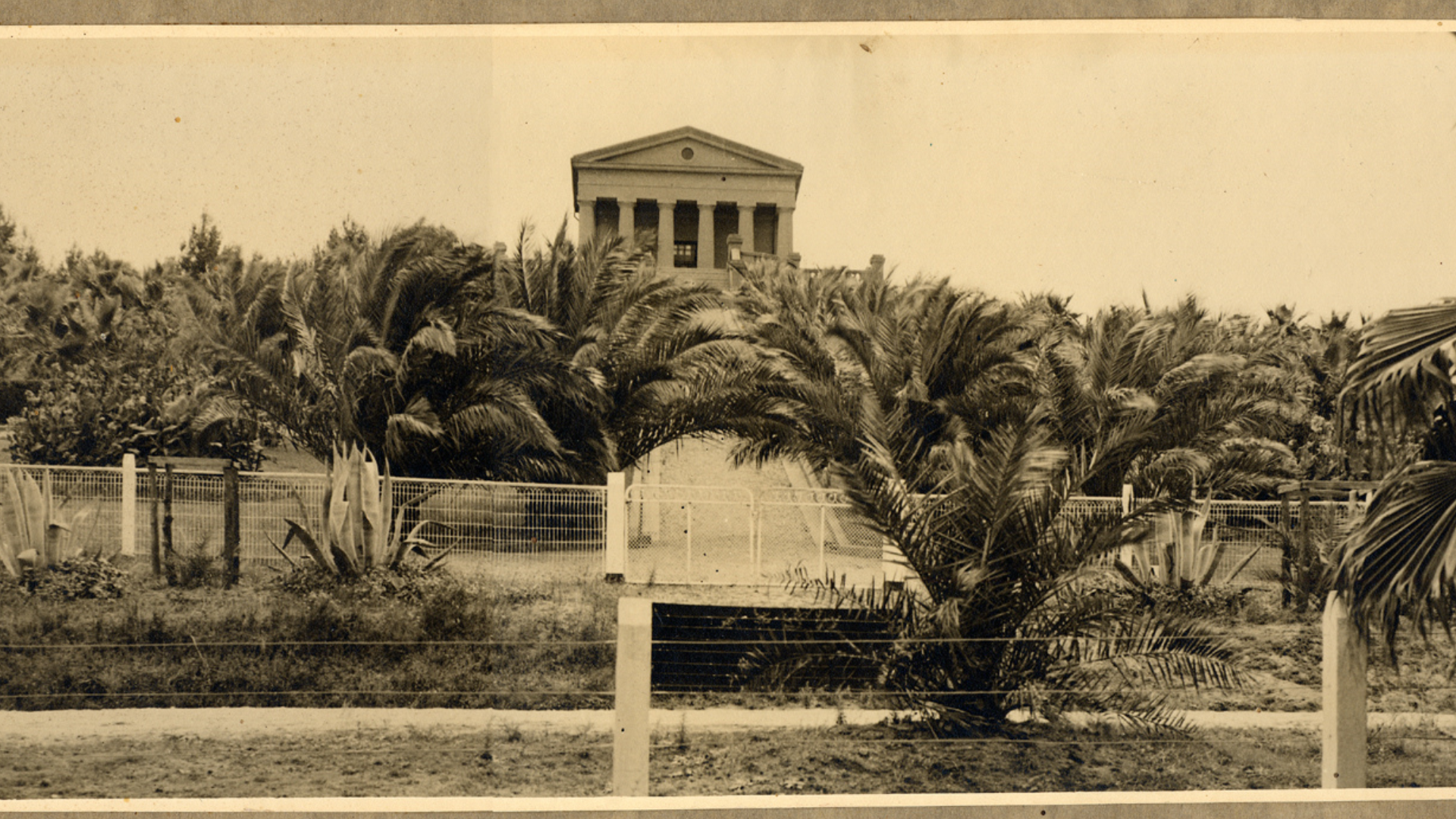
The Mausoleum was completed in 1927. Oscar and Sophie have been laid to rest there, along with their children and grandchildren.
1929
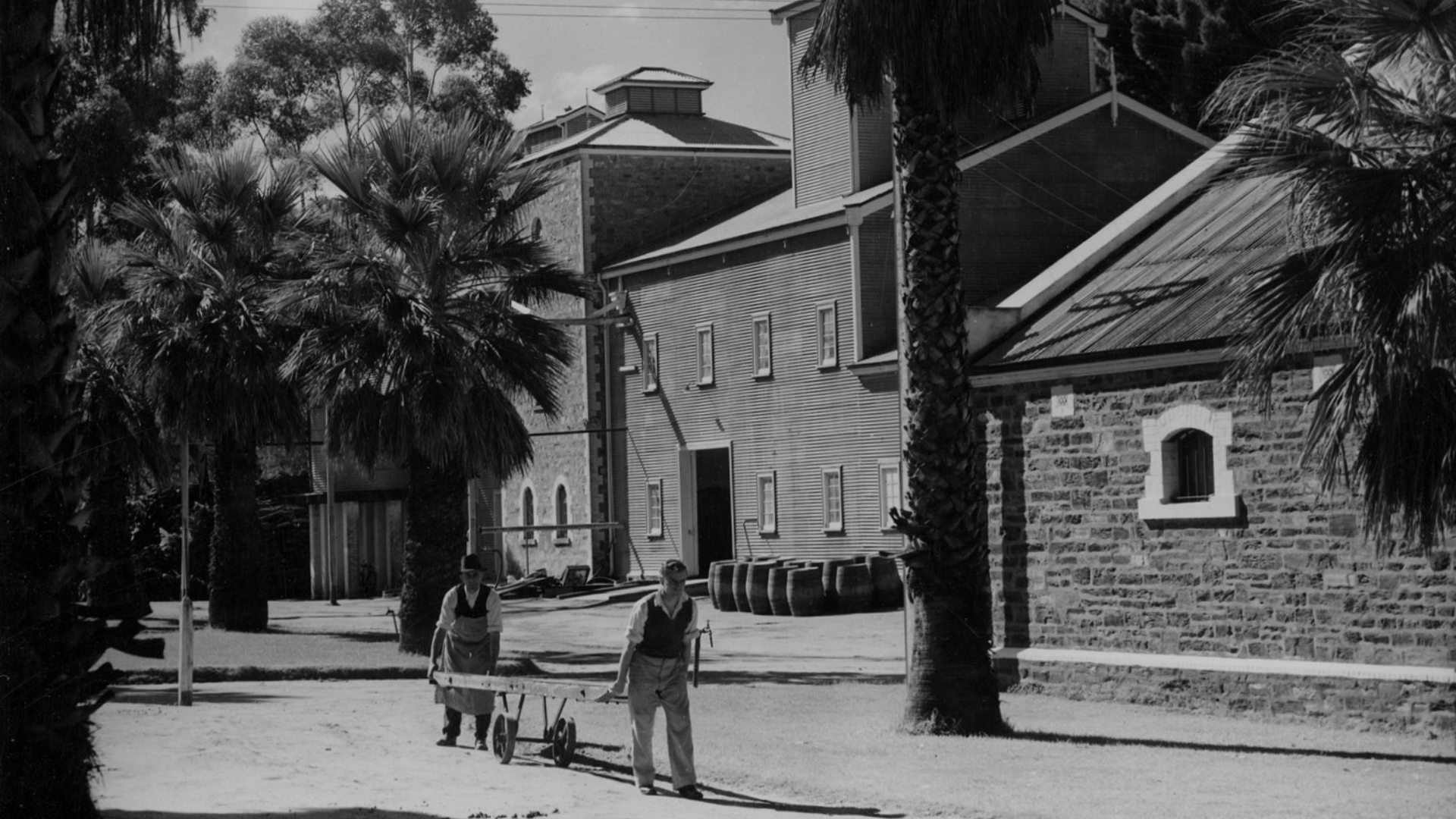
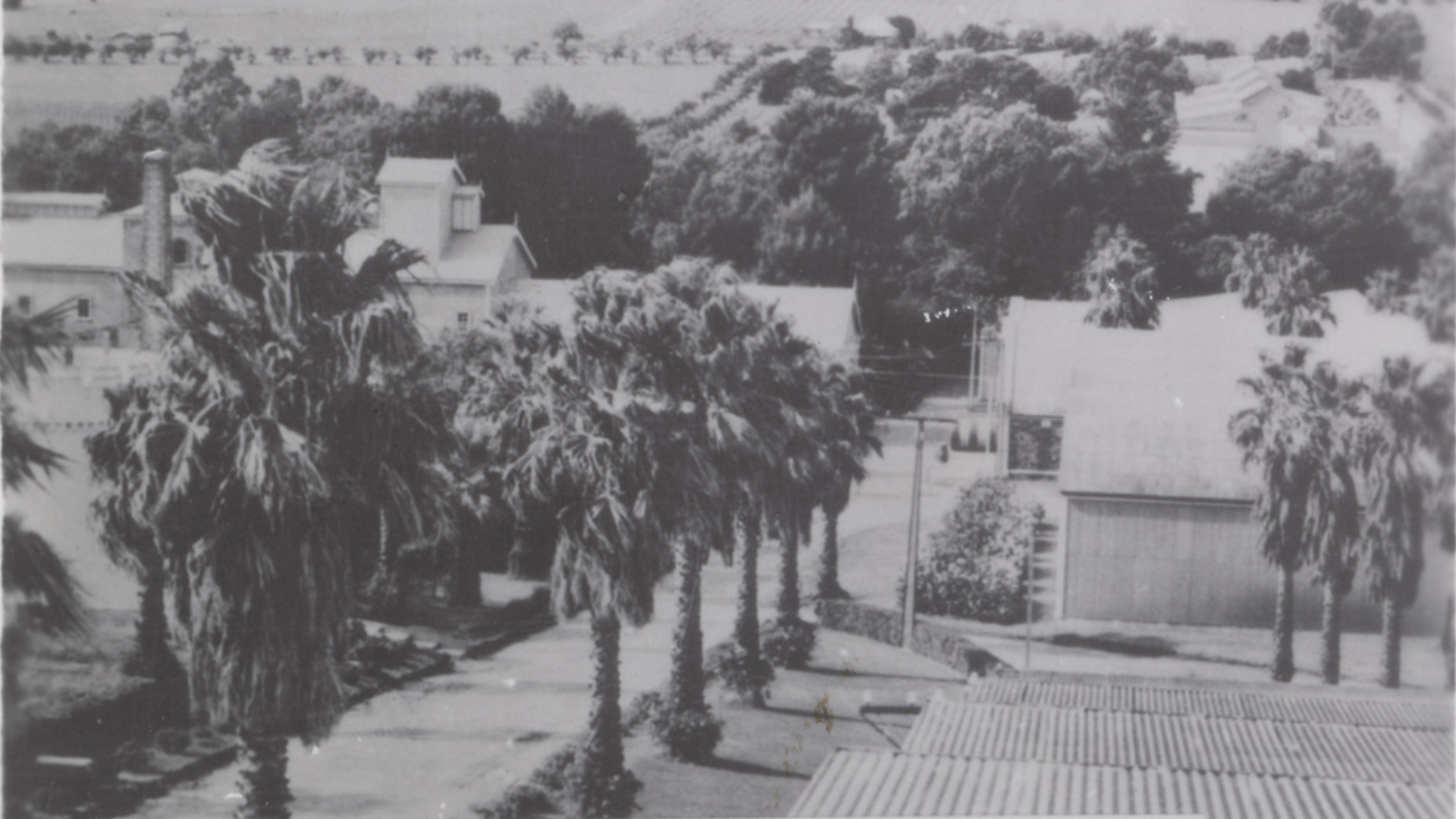
Palm Tree seeds were sourced from Kapunda Nursery, which were then propagated by workers before planting the trees on the road leading and through the Seppeltsfield Estate. Starting in 1929, in total, over 2,000 palm trees were planted, with the road from the nearby settlement of Marananga to the Seppeltsfield Estate affectionally named as ‘The Avenue of Hopes and Dreams’.
1930
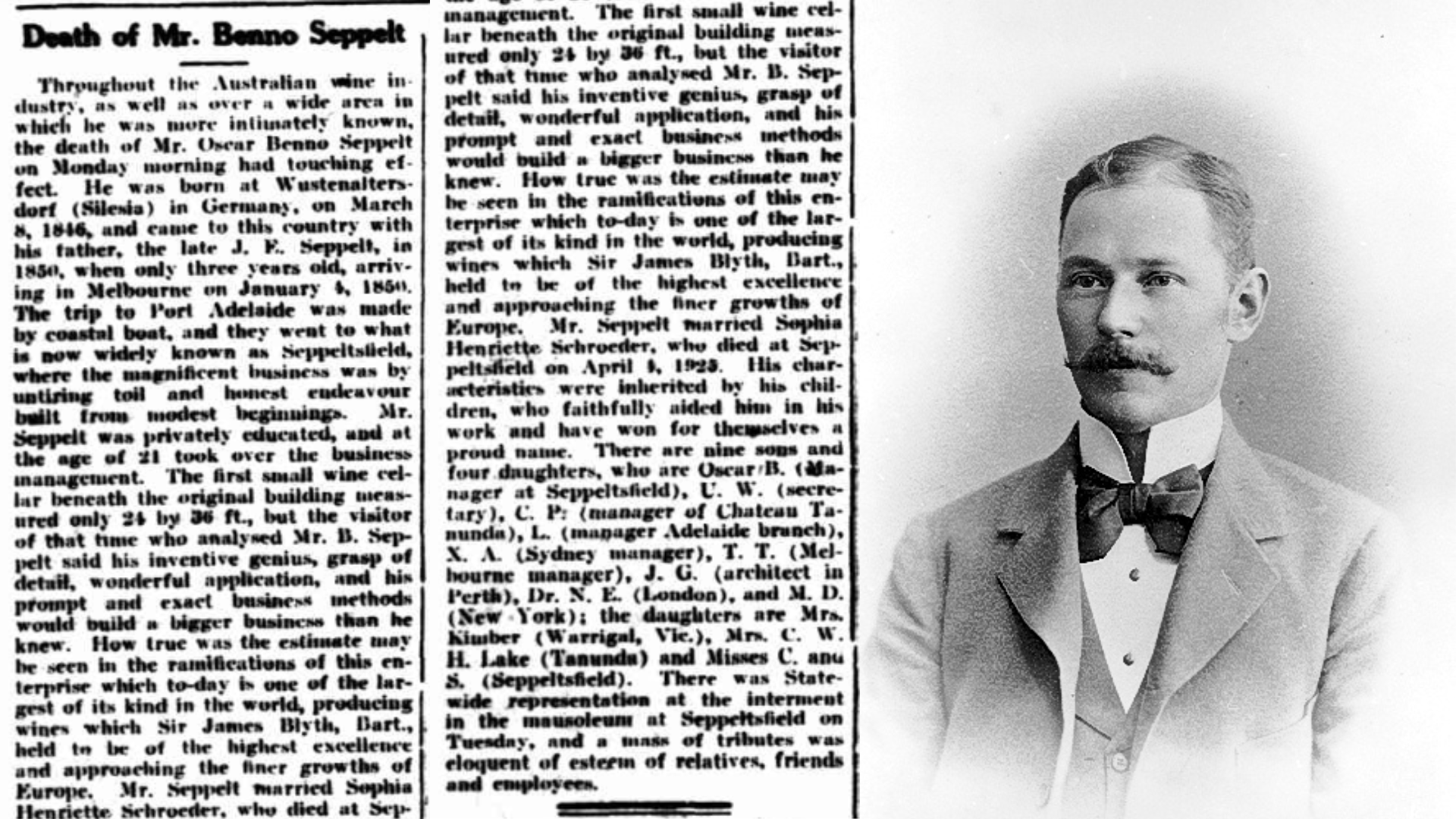
Oscar Benno Seppelt passed away, at the age of 85. He was remembered in newspaper reports of the day as having been raised in a ‘golden age’ in viticulture.
Seppeltsfield winery production expanded to 20 million gallons.
1947
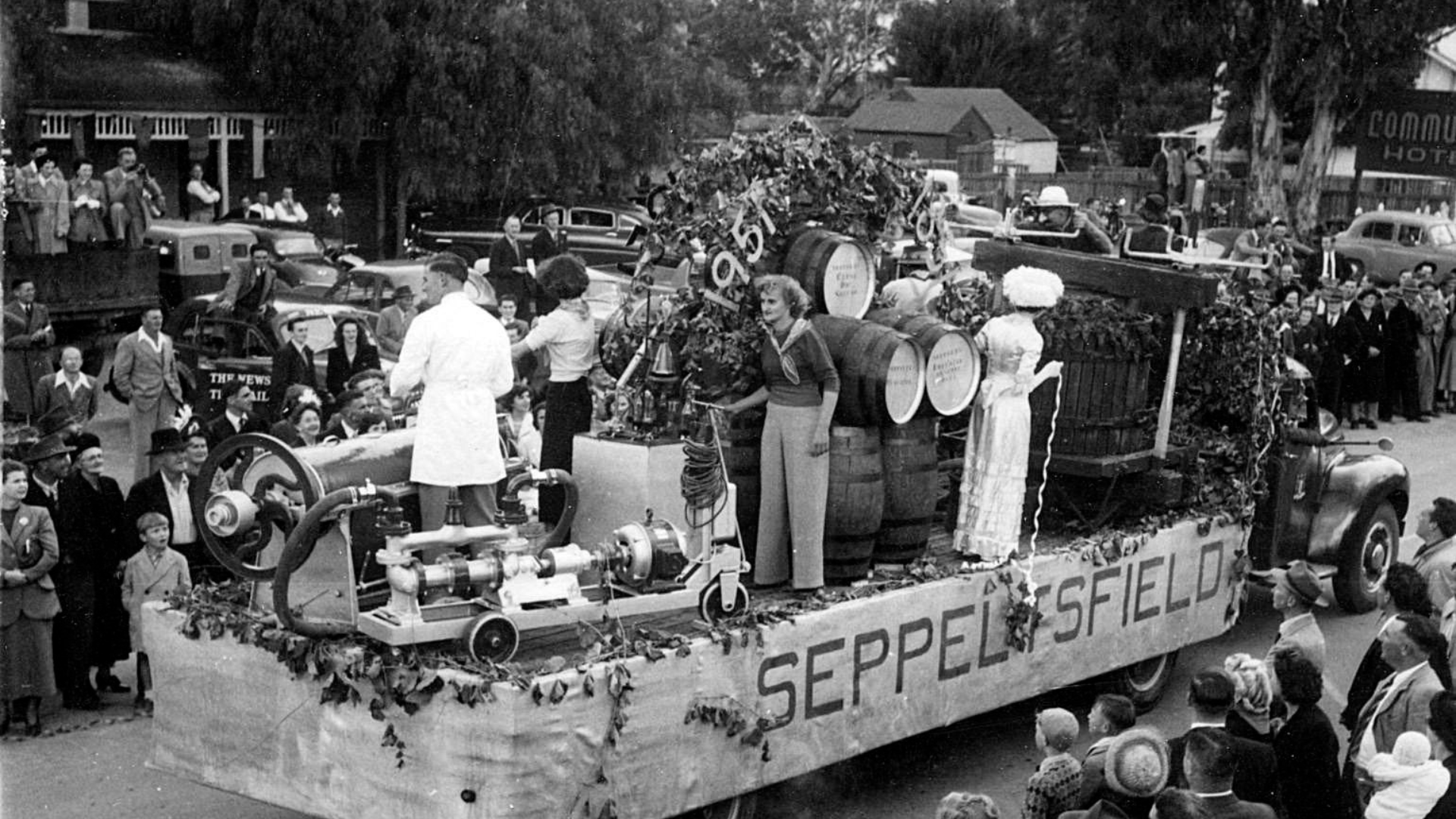
Barossa Vintage Festival was founded by fourth generation, Hilton Mervyn “Mr Bill” Seppelt, alongside peers Colin Gramp and Martin Dallwitz.
1958
The Great Terraced Vineyard was re-planted in contoured rows by Karl Joseph (KJ) Seppelt, to follow the natural shape of the land, with original cuttings vigorously selected to ensure the highest quality.
1960
The homestead was lived in by a Seppelt family member until the 1960’s, then used for private tours, tasting experiences and events.
1970
B Seppelt and Sons became a publicly listed company.
1974
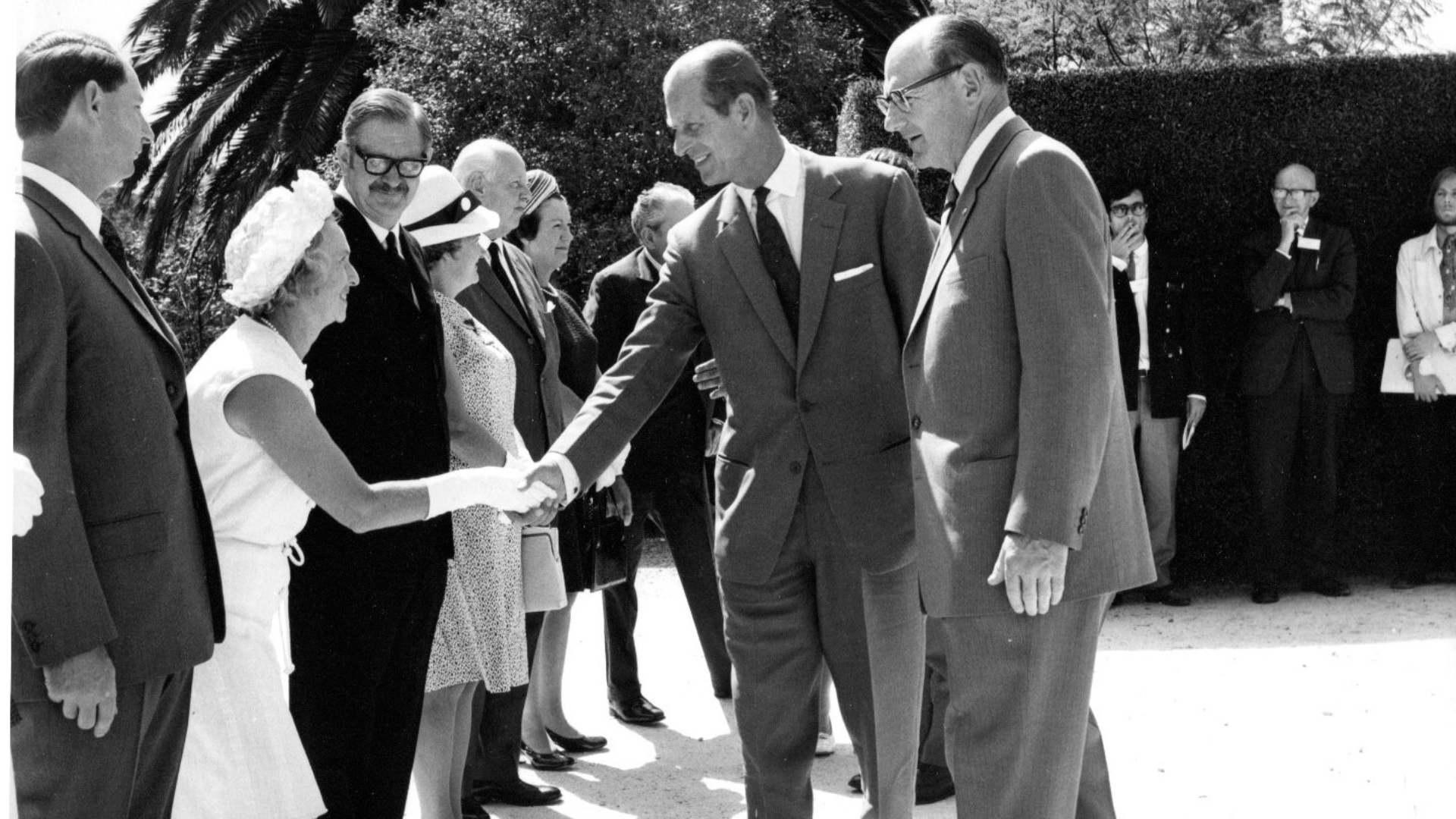
Prince Phillip visited the Estate and had lunch with the Seppelt Family in the Dining Hall.
1978
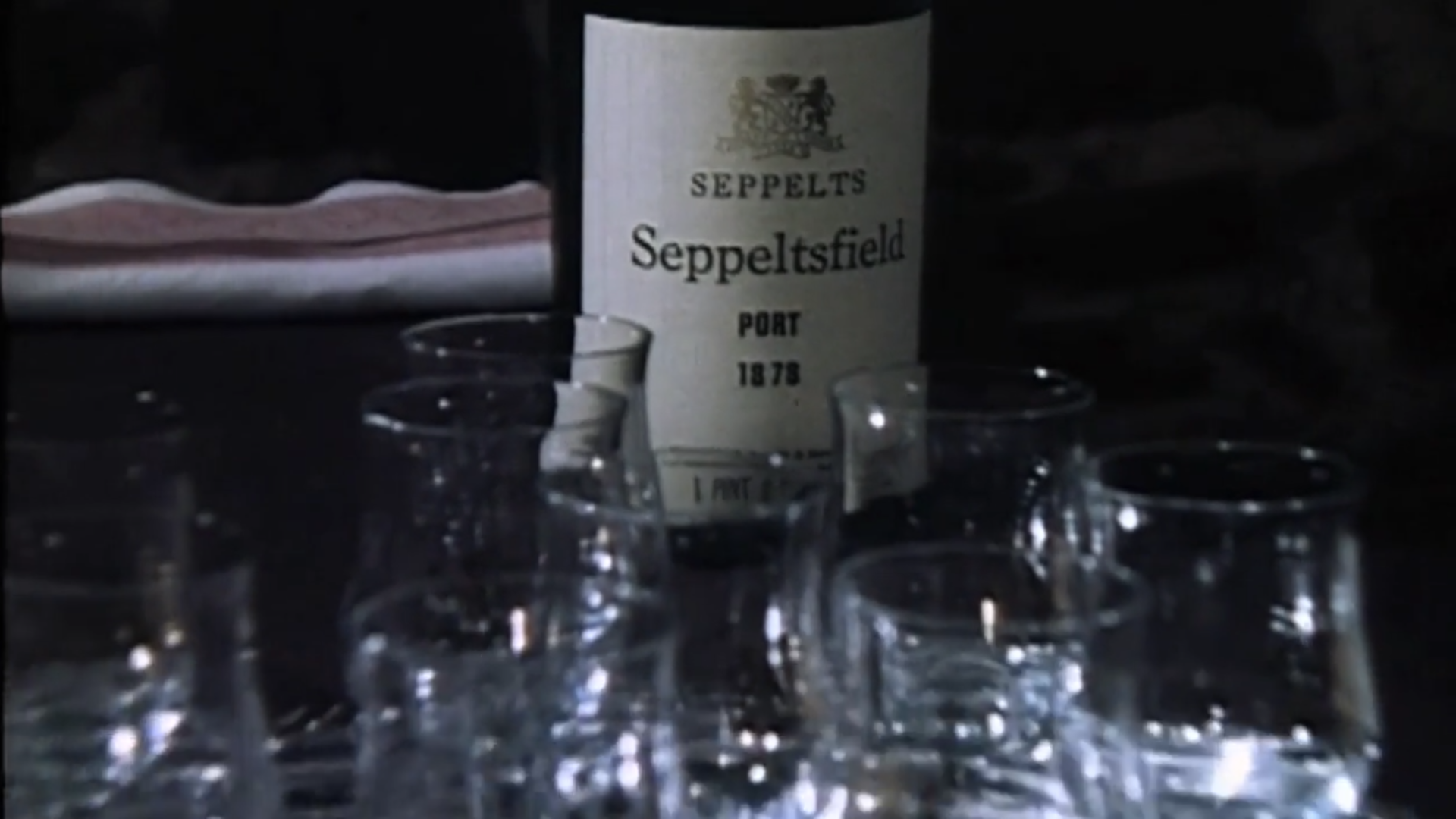
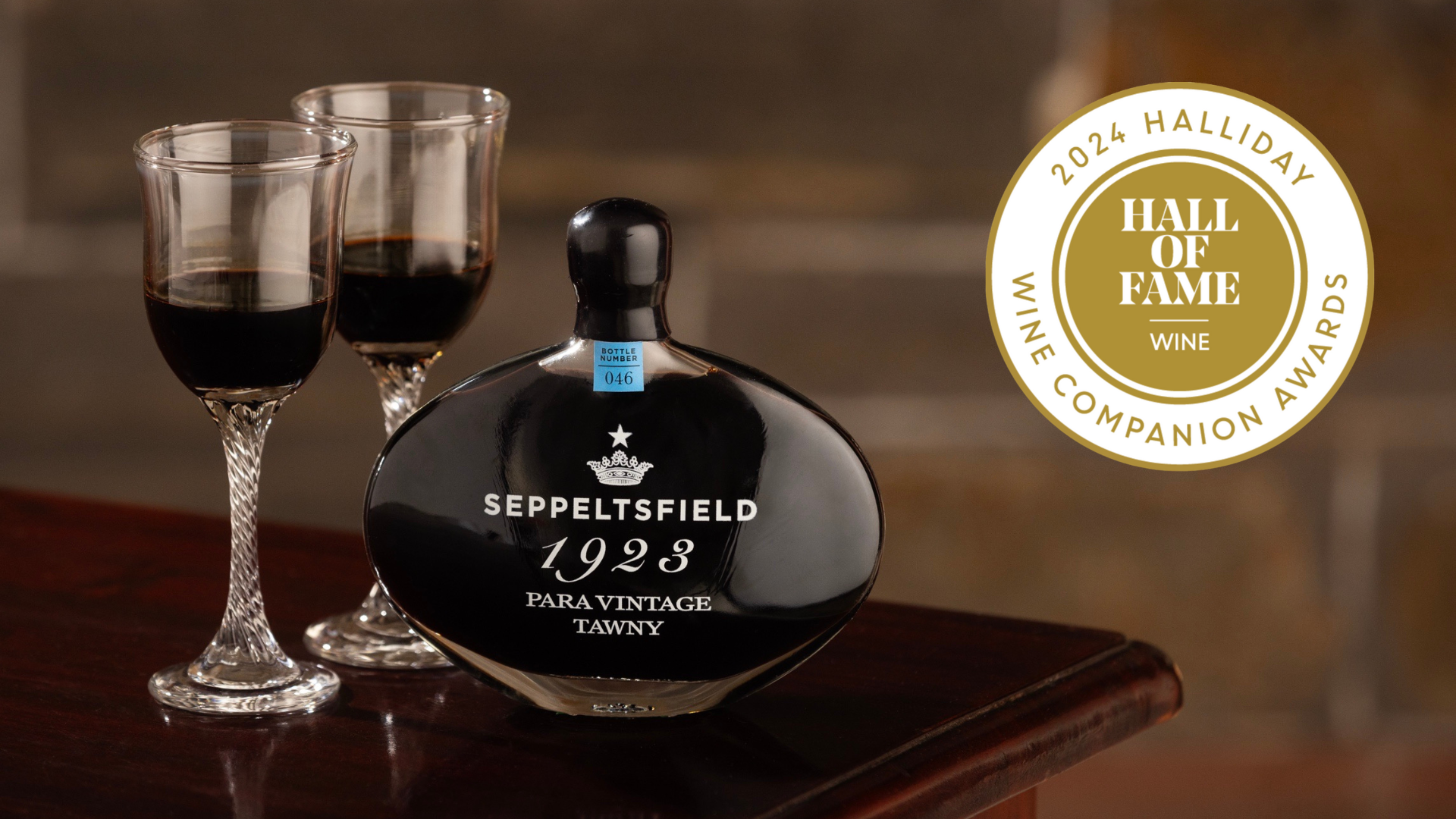
First release of 100 Year Old Para Vintage Tawny from Centennial Cellar.
1985
B Seppelt and Sons sold to SA Brewery Holdings.
1990
Southcorp acquired SA Brewery Holdings and Seppeltsfield.
2000's
2005
Foster’s Group acquired Southcorp and Seppeltsfield.
2007
Foster’s Group sold Seppeltsfield to an Australian consortium of investors, including Warren Randall.
2009
After over three decades of corporate ownership, Warren Randall (Randall Wine Group Est 1978) became majority shareholder and custodian of the Seppeltsfield Estate (private ownership). Warren has a longstanding history with the Seppelt family, working for them at Great Western in Victoria during the 1980’s, recgonised as the most awarded champagne winemaker in the country.
2010
The Gravity Cellar was re-purposed and proudly revived - lined the tanks with stainless steel. The first vintage back in the Gravity Cellar, in over 30 years.
2012
In 2012, a tourism masterplan was developed for the Seppeltsfield Estate with plans to repurpose the heritage buildings on site and create Australia’s finest winery Estate.
2013
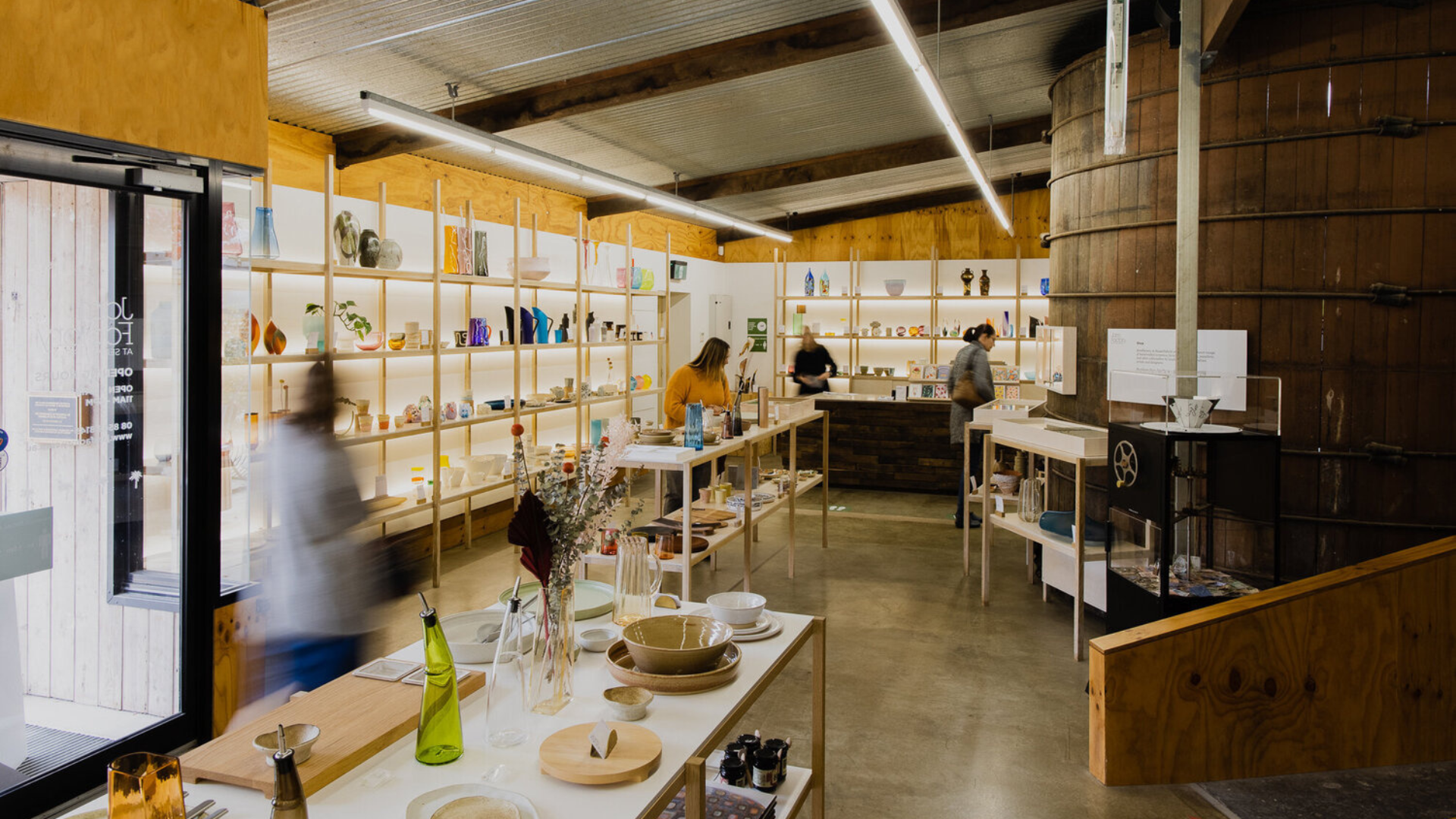
The JamFactory Craft + Design Studios opened at Seppeltsfield, in the historic 1850’s stables building on the Estate.
2014
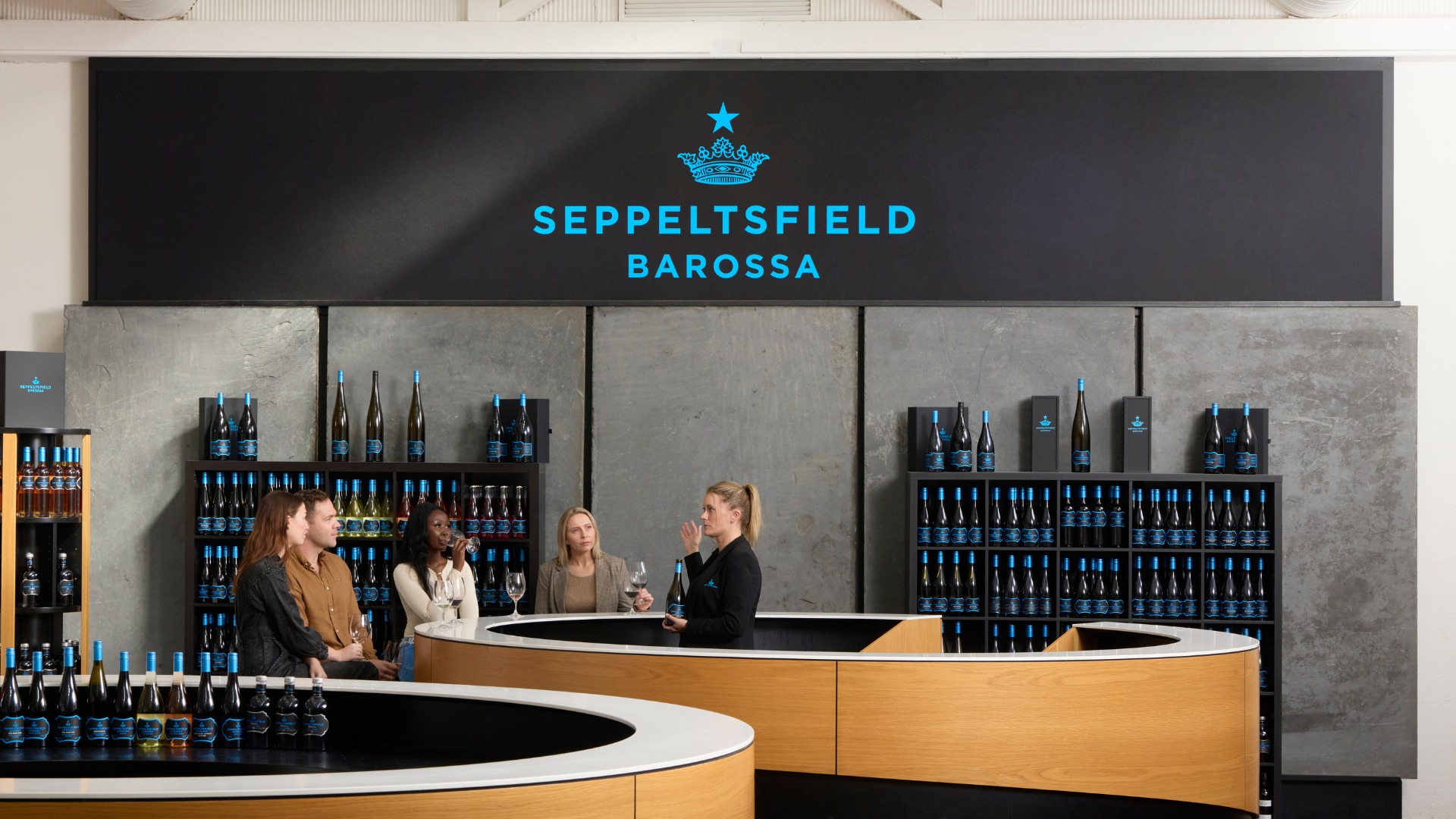
Bottling Hall was re-developed for the Cellar Door and FINO Restaurant. The Centennial Cellar was now open to the public, for private tours and experiences.
2015
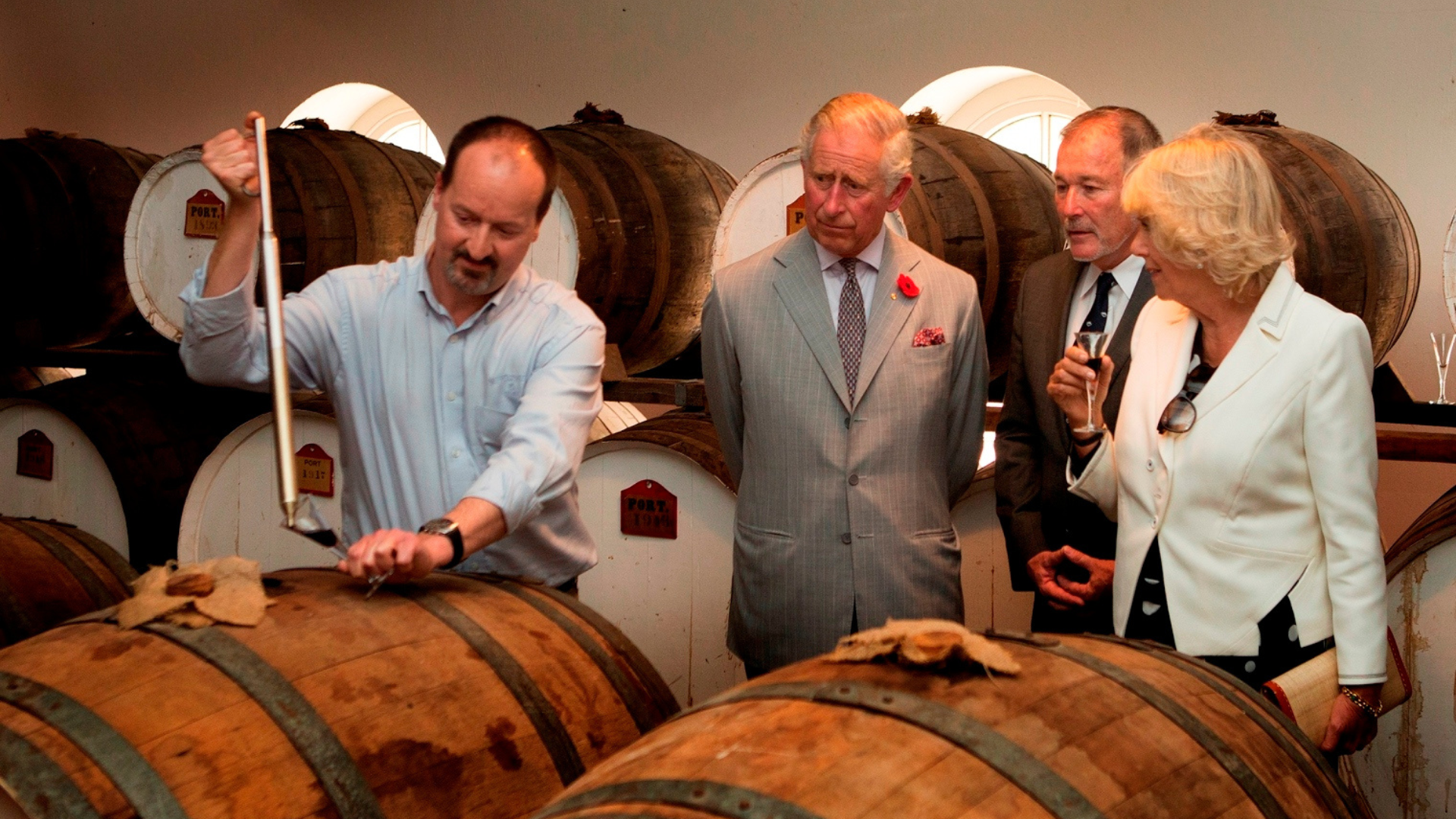
King Charles and his wife Camilla visited the Estate, when Charles was the Prince of Wales (and the couple were also known as the Duke and Duchess of Cornwall).
2017
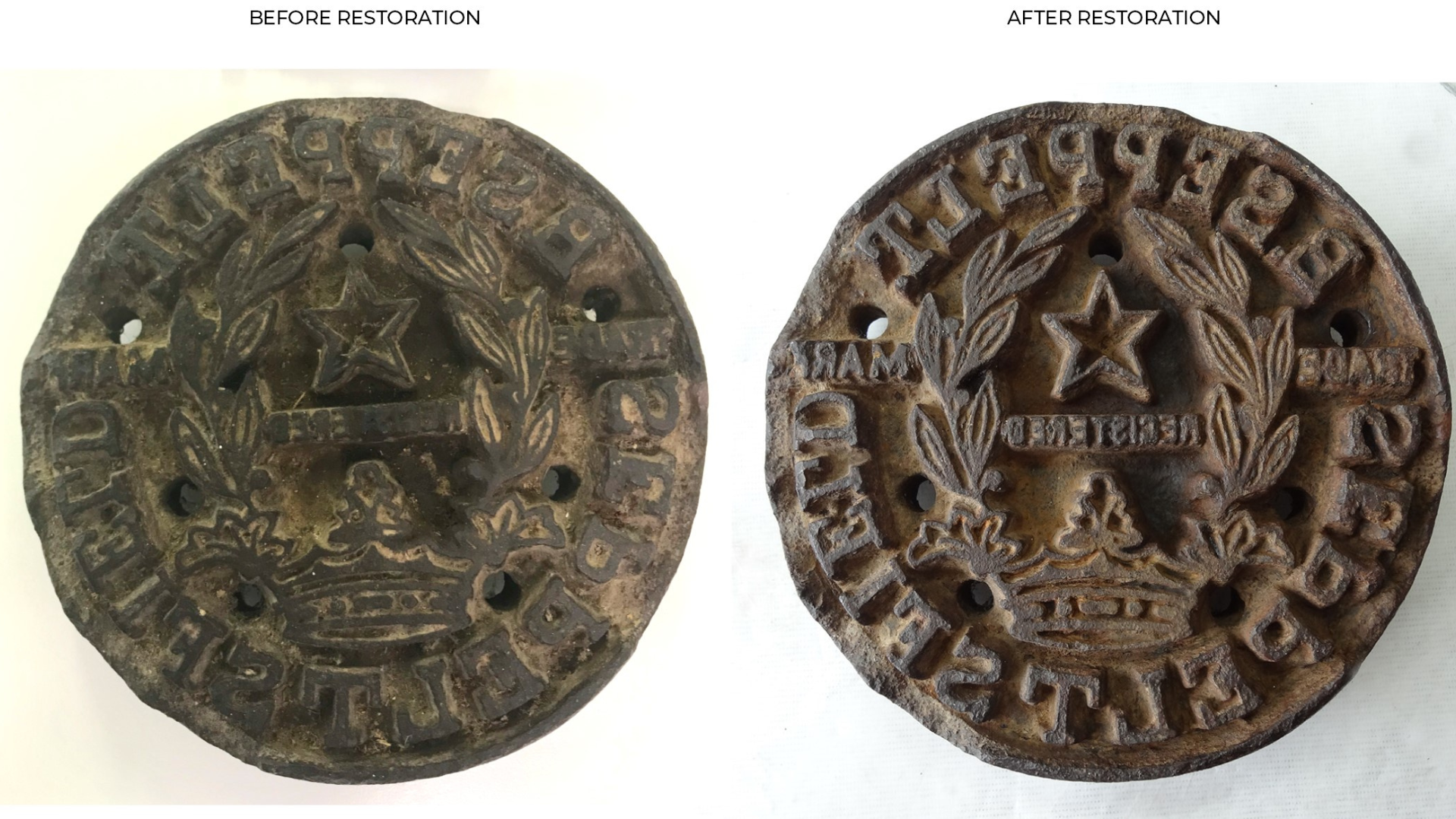
Secured the original Seppeltsfield trademark of the business back.
2018
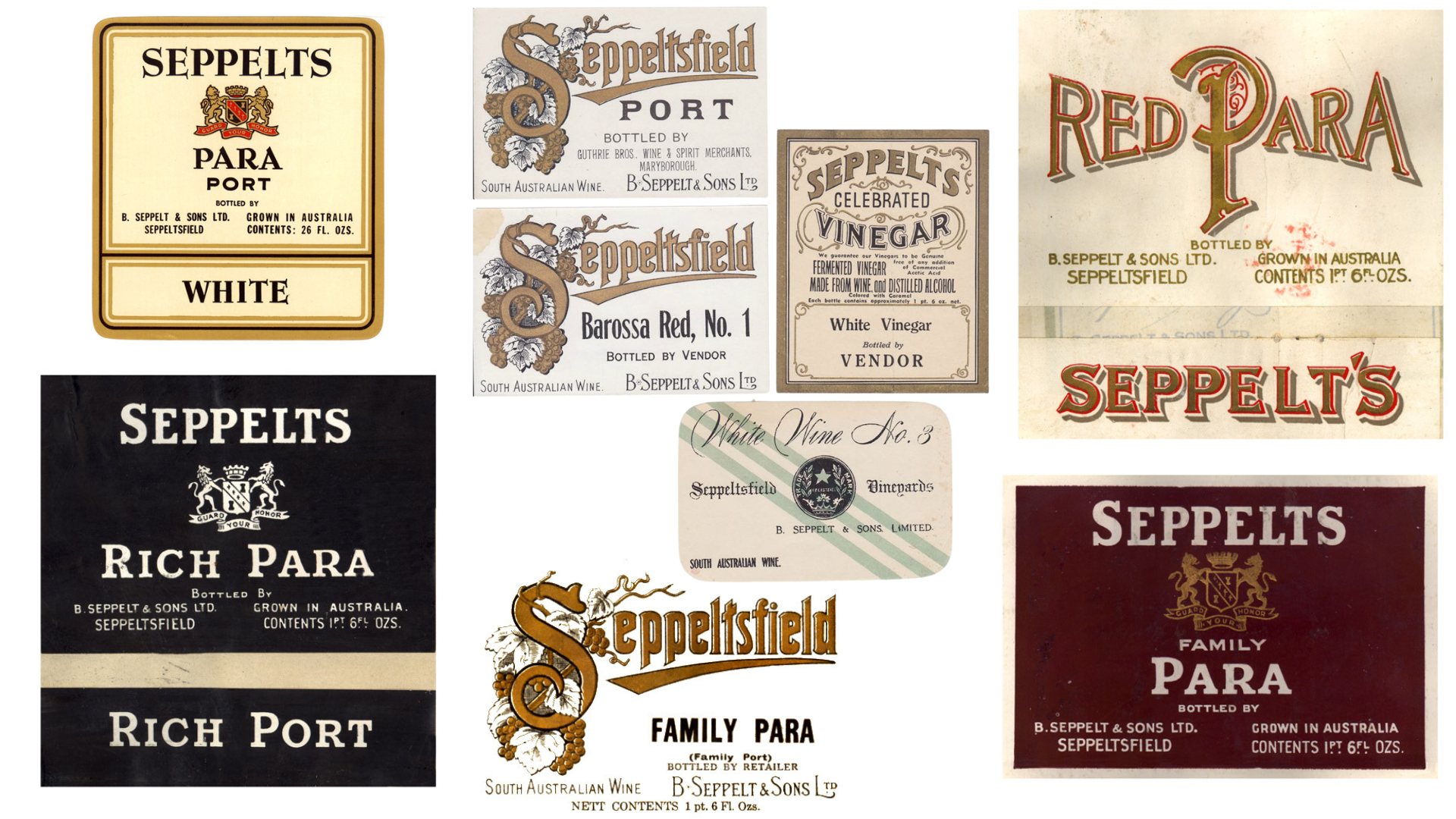
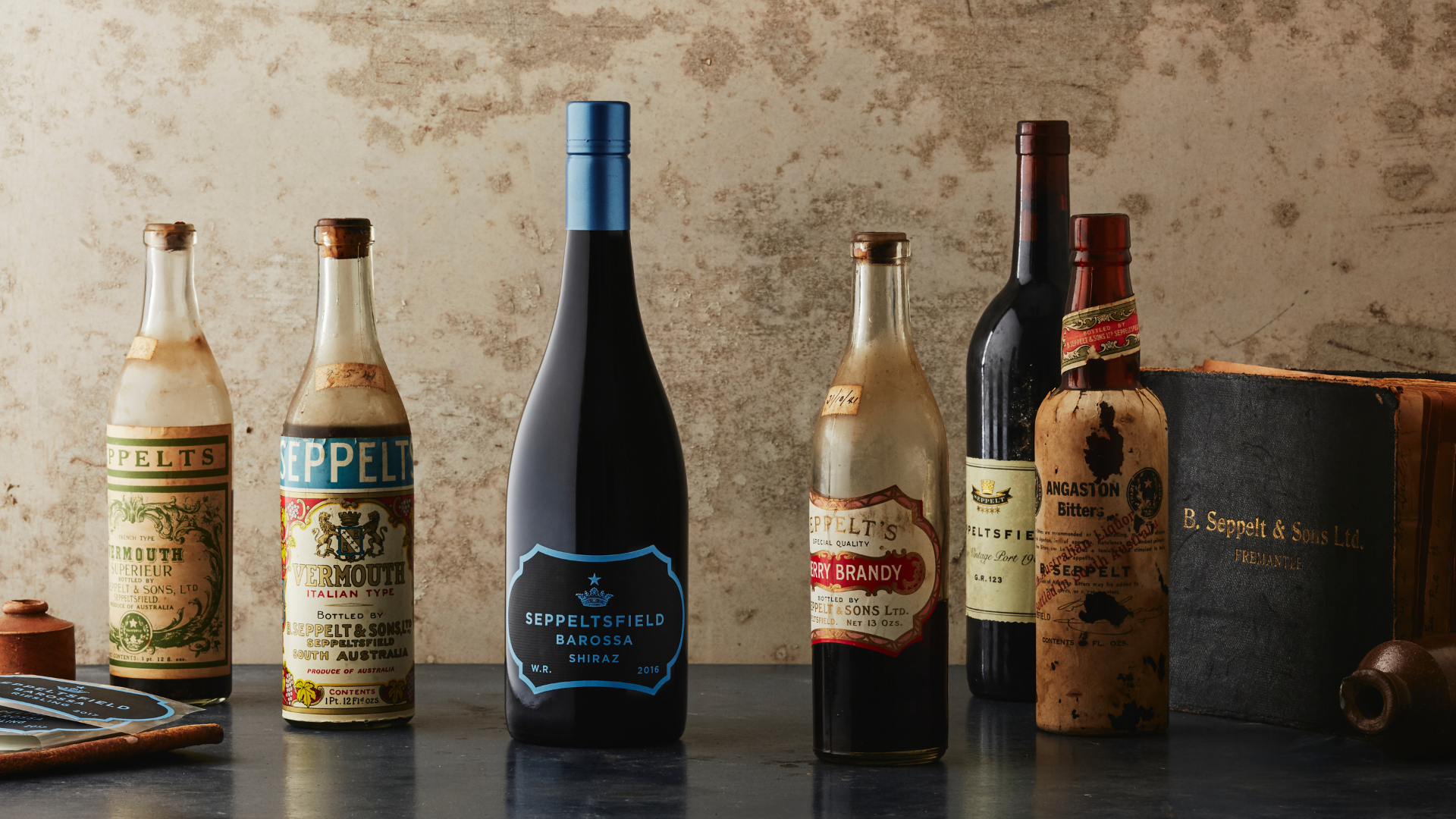
Seppeltsfield launched its contemporary new brand identity. The inspiration behind this new label was taken from within the estate, with the earliest insignia reinstated – the crown and star trademark from 1877, together with cues such as the proprietary blue and label shape found on 19th century craft liquor bottles.
2019
Seppeltsfield was recognised in the World’s Top 100 Vineyards, and this has continued for 6 consecutive years.
2022
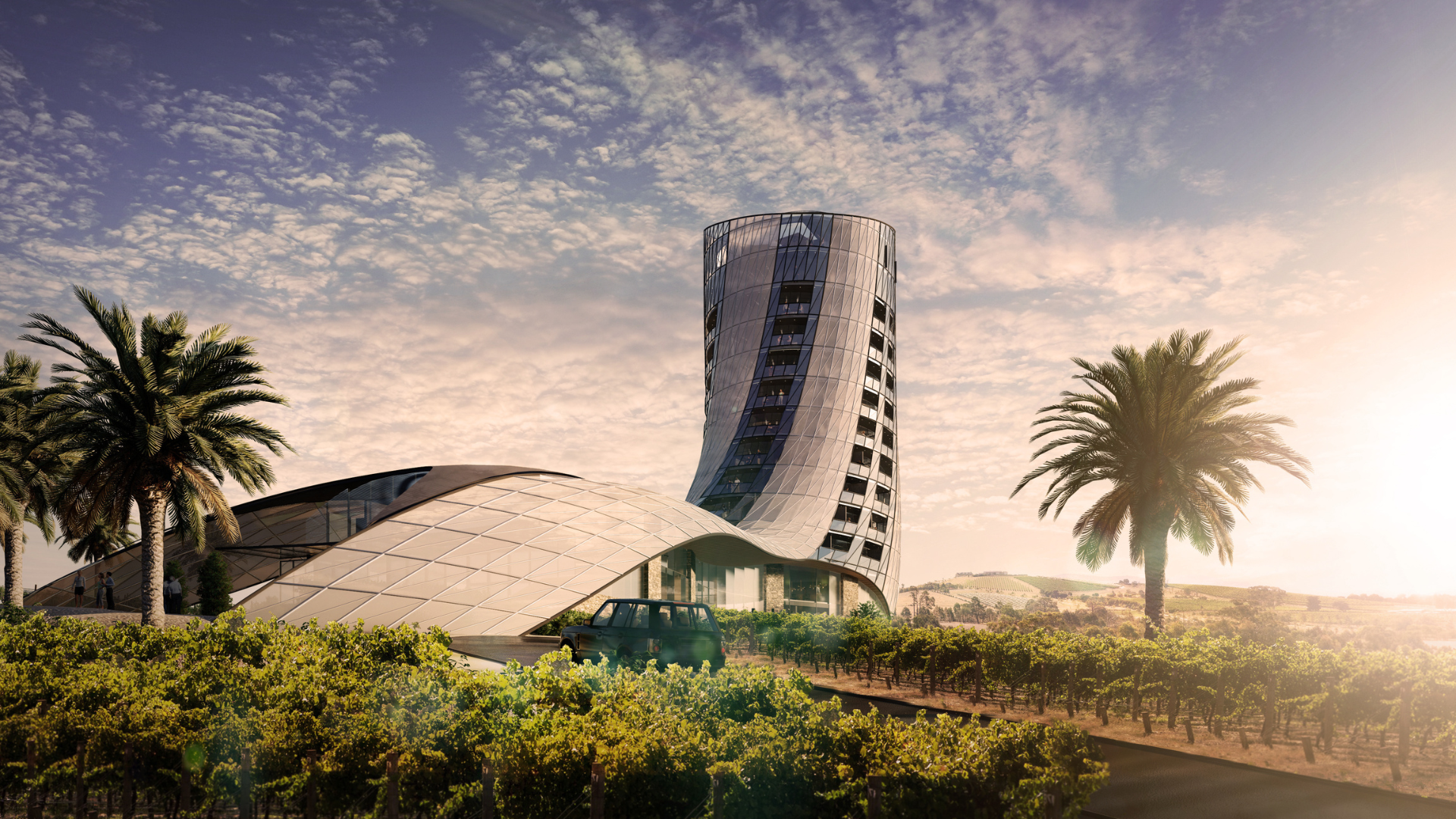
The Oscar at Seppeltsfield – a six star luxury hotel and day spa has been granted development approval.
2023
Seppeltsfield 100 Year Old Para Vintage Tawny was the inaugural wine to be inducted into the James Halliday, Hall of Fame. The Seppeltsfield Centennial Collection branding evolved into a contemporary yet luxurious identity, to align with the still wine collection. This includes signatures from fifth generation family member, Bill Seppelt and Executive Chairman and Proprietor, Warren Randall.
2024
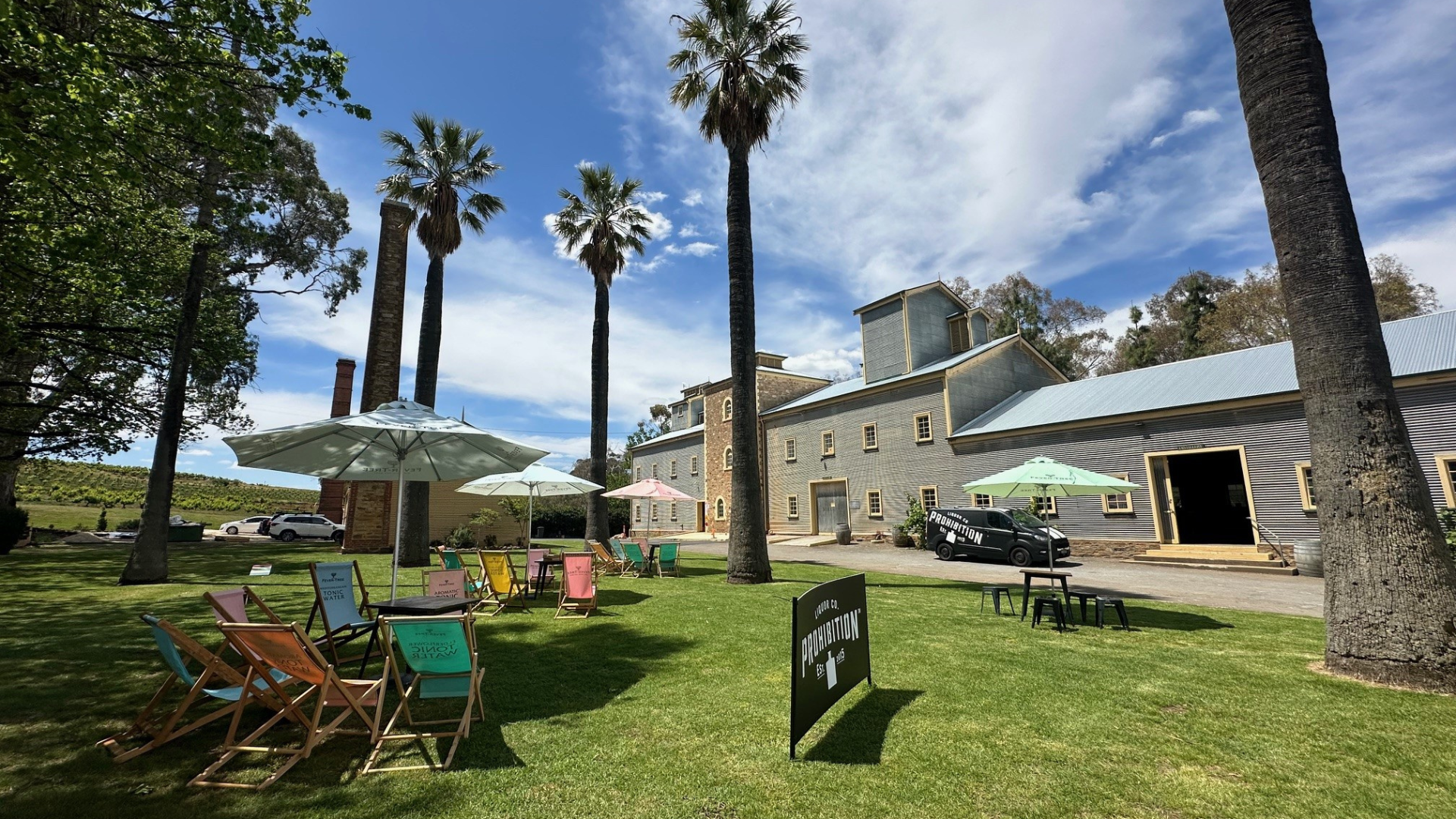
South Australian owned, Prohibition Distillery have re-awakened the historic 1877 Distillery, showcasing a tasting room offering a range of experiences and signature cocktails.
2025
Seppeltsfield was awarded ‘Best Tourism Winery in Australia’ at the Qantas Australian Tourism Awards. Seppeltsfield was inducted into the ‘Hall of Fame’ at the South Australian Tourism Awards. Seppeltsfield was awarded the ‘Best Wine of Show’ at the Barossa Wine Show, for the 2024 Barossa Grenache. The Tiny Knife Shop opened at Seppeltsfield, by legendary bladesmith of the Estate, Barry Gardner, located adjacent to the Dining Hall.
gallery of historical images
1849 - Joseph and Johanna Seppelt
1850 - Adelaide, South Australia
1851 - The Seppelt Family Homestead
1855 - The Great Terraced Vineyard Grenache was planted
1856 - First Vintage at Seppeltsfield
1868 - Expansion of the winery and cellars
1870 - Oscar Benno and Sophie Seppelt
1873 - Benno, Sophie and Children
1875 - Seppelt Estate
1877 - The Distillery
1878 - The Centennial Cellar
1880 - Adelaide Observer Newspaper
1882 - The Vinegar Factory
1883 - Merino Sheep and Bacon Haus
1888 - Gravity Cellar
1890 - The Dining Hall
1900 - The Bottling Hall
1901 - Duke and Dutchess of Cornwall visited Seppeltsfield
1902 - B Seppelt and Sons became Registered
1917 - Winery production
1925 - Mausoleum Build Began
1927 - Mausoleum Completion
1929 - The Avenue of Palms
1930 - Death of Benno Seppelt
1947 - Barossa Vintage Festival
1958 - The Great Terraced Vineyard was re-planted in contoured rows by Karl Joseph (KJ) Seppelt
1960 - Family Homestead
1970 - B Seppelt and Sons
1974 - Prince Phillip visited Seppeltsfield
1978 - First release of 100 Year Old Tawny from 1878
1985 - B Seppelt and Sons sold to SA Brewery Holdings
1990 - SA Brewery Holdings sold to Southcorp
2005 - Fosters Group aquired Southcorp and Seppeltsfield
2007 - Foster’s Group sold Seppeltsfield to an Australian consortium of investors, including Warren Randall
2009 - Warren Randall becomes majority shareholder
2010 - Gravity Cellars first vintage after restoration
2012 - Master Tourism Plan
2013 - JamFactory joined in the 1850's stables
2014 - The original Bottling Hall was re-developed into Cellar Door and FINO Restaurant
2015 - King Charles and Camilla visted Seppeltsfield
2017 - Secured the original Seppeltsfield Trademark
2018 - Launched our contemporary branding inspired by old cues
2019 - Worlds Top 100 Vineyards
2022 - The Oscar at Seppeltsfield was approved
2023 - Hall of Fame in James Halliday Wine Companion
2024 - Prohibition Liquor Co. joined in our 1877 Distillery
2025 - Best Tourism Winery and Hall of Fame accolades